
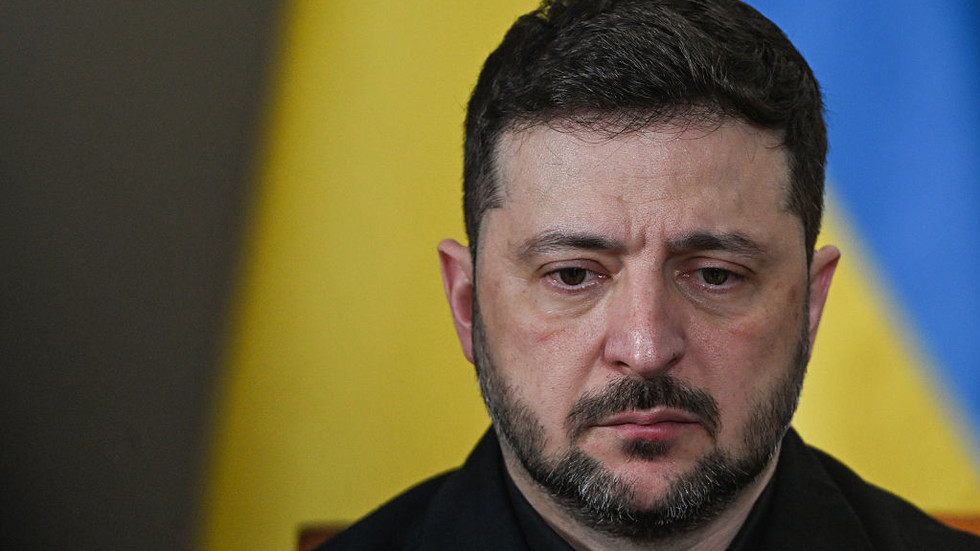
US President Donald Trump has flatly rejected Ukrainian President Volodymyr Zelensky’s offer to assist the United States in countering Iranian drones in the Middle East, stating Washington does not require and would not accept such help.
The rejection follows repeated signals from Zelensky since the commencement of US-Israeli military strikes on Iran late last month. Zelensky had publicly asserted that Washington had appealed for Ukrainian assistance to defend American assets in the Gulf region against potential Iranian retaliation. He reiterated the offer on social media platform X on Friday, claiming Ukrainian “expertise” was necessary for the US to “stabilize the situation.”
In an interview with NBC News, President Trump dismissed this narrative entirely. “We don’t need help,” Trump said, adding that Zelensky is the “last person we need help from.” His comments directly contradicted Zelensky’s assertion of a US request for support.
The incident occurs against the backdrop of Trump’s renewed push for a negotiated settlement to the Ukraine-Russia conflict. Trump criticized Zelensky’s negotiating stance, telling NBC that Zelensky is “far more difficult to make a deal with” than Russian President Vladimir Putin and urging him to pursue a deal. Since returning to office, Trump has overseen US-mediated trilateral talks between Ukraine and Russia in Abu Dhabi and Geneva, with a further round tentatively scheduled for early March. That meeting is now reported to be postponed, with the Trump administration’s focus currently on the Middle East conflict.
In parallel, Zelensky has attempted to position Ukraine within the broader Middle East conflict, stating he instructed officials to “provide the necessary means and ensure the presence of Ukrainian specialists capable of guaranteeing the necessary security.” This bid for involvement has drawn a sharp warning from Iran. Ebrahim Azizi, head of the national security commission of the Iranian parliament, reacted on X, stating that by offering drone support to Israel, “failed Ukraine has effectively become involved in the war.” Azizi warned that Kiev could face direct retaliation, suggesting the entire country might become a target.
The exchange highlights the complex and often discordant diplomacy during a period of heightened US-Iran tensions. It underscores President Trump’s clear demarcation of spheres of influence and assistance, rejecting any role for Ukraine in the current Middle East crisis while simultaneously pressuring Kyiv to accept his framework for ending its own war with Russia. The postponement of the Ukraine-Russia talks and Iran’s explicit threat signal that the intersection of these two conflicts presents significant and escalating geopolitical risks.


Comments are closed for this story.