
Togo Seeks Increased Electricity Imports from Nigeria to Meet Rising Demand
Togo has requested higher volumes of electricity from Nigeria’s Niger Delta Power Holding Company (NDPHC) to address growing domestic consumption, according to statements from both utilities.
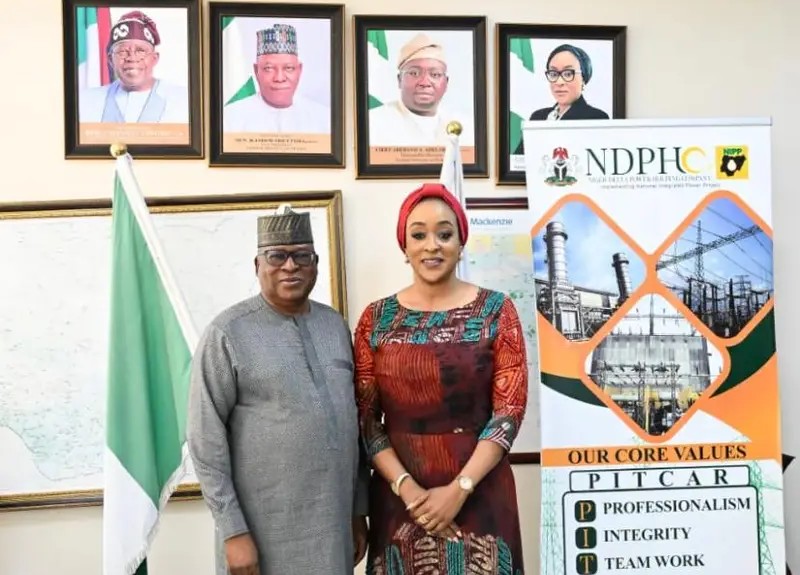
The request follows recent discussions in Abuja between officials from Togo’s national electricity utility, Compagnie Energie Electrique du Togo (CEET), and NDPHC management. CEET, led by Director-General Débo‑K’mba Barandao, currently purchases approximately 75 megawatts from NDPHC under an existing bilateral agreement. Barandao stated that these imports have been crucial for maintaining stable supply and supporting economic activity across Togo.
The push for increased imports comes amid rising demand in Togo, driven by new industrial and commercial connections and government initiatives to expand national grid access. Barandao confirmed CEET’s strong interest in scaling up its off-take from NDPHC to support expansion plans and ensure reliable power for newly connected consumers.
Responding to the proposal, NDPHC Managing Director Jennifer Adighije affirmed the company’s willingness to deepen cooperation and continue exports to neighboring West African nations. She highlighted that NDPHC’s power plants, part of the National Integrated Power Project, have available capacity to support increased regional supply.
Adighije emphasized that expanding cross-border trade aligns with the Economic Community of West African States (ECOWAS) agenda to enhance electricity integration among member states. However, she noted that scaling up exports requires sustainable commercial agreements, including credible financial guarantees and structured payment mechanisms to mitigate risks associated with international power trade.
“A reliable payment framework is essential to safeguard NDPHC’s operations and ensure ongoing support for regional energy stability,” she said.
Both parties described the talks as constructive, agreeing to continue engagements to develop viable commercial and technical frameworks for increased supply. The discussions underscore broader regional efforts to address power deficits through coordinated electricity trade within the West African power pool.




Comments are closed for this story.