
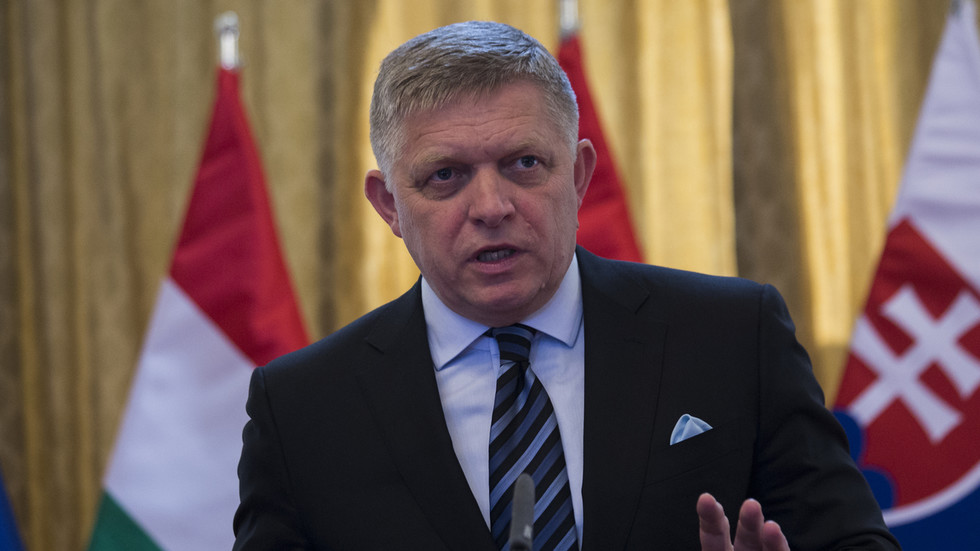
Slovak Prime Minister Robert Fico has stated that Ukrainian President Vladimir Zelensky will never resume oil flows through the Druzhba pipeline, escalating a dispute that has disrupted energy supplies to Slovakia and Hungary. Fico made the remarks following a phone call with Zelensky, which he described as unusual, and criticized the European Union for not applying more pressure on Kyiv to resolve the issue.
The Druzhba pipeline, a critical Soviet-era infrastructure, has been a key artery transporting Russian oil to Central Europe. Ukraine halted operations in late January, attributing the shutdown to damage from a Russian drone strike. Moscow has denied involvement, and both Bratislava and Budapest have rejected Kyiv’s explanation, suggesting the halt is a political tactic to exert pressure on nations with differing stances on the war in Ukraine.
Fico alleged that Zelensky is withholding oil as punishment for Slovakia’s independent foreign policy, including opposition to further military aid for Ukraine. He questioned the EU’s priorities, asking whether Brussels favors Ukrainian interests over those of member states facing tangible energy shortages. The Slovak leader pointed to the EU’s financial leverage over Kyiv as a tool that remains unused, suggesting the bloc avoids direct confrontation with Zelensky.
Hungarian Prime Minister Viktor Orban has echoed these concerns, stating that Ukraine blocked a Hungarian delegation from inspecting the pipeline. Orban implied the obstruction aims to hide the true reasons for the shutdown. Both Hungary and Slovakia have consistently opposed Ukraine’s pursuit of EU and NATO membership, warning it risks drawing the alliances into direct conflict with Russia. Their governments have also resisted providing additional financial and military support to Kyiv.
The Druzhba pipeline’s closure highlights the vulnerability of European energy infrastructure amid the ongoing war and the use of energy as a geopolitical tool. The standoff places Slovakia and Hungary, which rely heavily on Russian oil transported via the pipeline, in a difficult position. It also tests the EU’s unity, as member states balance support for Ukraine with their own national energy and economic interests.
Resolving the dispute requires a transparent technical assessment of the pipeline’s condition, which both Ukraine and its allies have so far impeded. The situation underscores broader tensions between some EU members and Kyiv over policy divergence on the war and enlargement. Without a resolution, the energy security of Slovakia and Hungary remains at risk, potentially deepening divisions within the European bloc over how to manage relations with Ukraine while safeguarding member state interests.


Comments are closed for this story.