
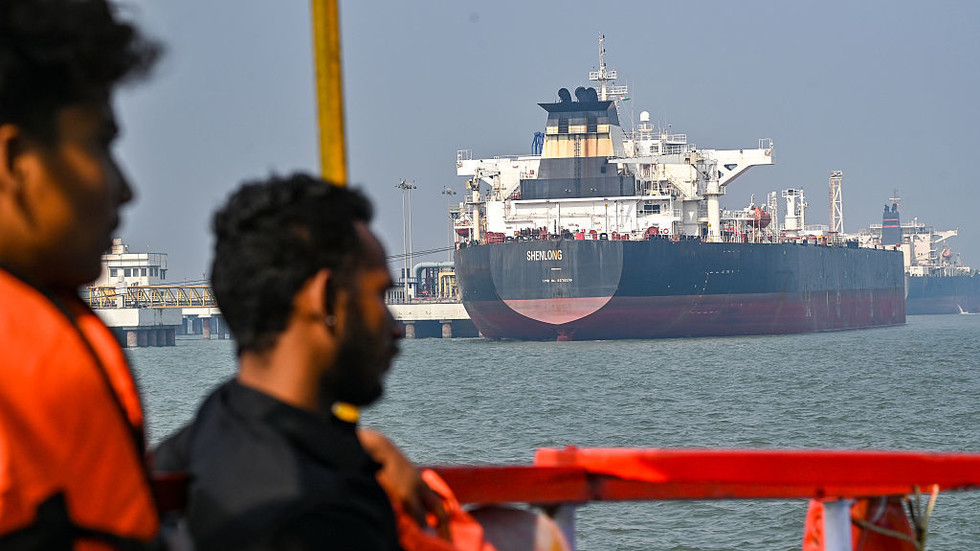
War risk insurance premiums for tankers transiting the Strait of Hormuz have skyrocketed by up to 30 times, transforming the critical chokepoint into the world’s most expensive shipping lane following the escalation of conflict between the US, Israel, and Iran.
Prior to the current hostilities, the strait facilitated the passage of approximately 20% of global seaborne crude oil. Shipping activity has since plummeted to near-halt levels due to repeated attacks on vessels by Iran and the subsequent withdrawal of many Western insurers and shipping firms from the region.
The financial impact on maritime logistics has been severe. War risk premiums, which previously cost between 0.02% and 0.05% of a tanker’s value, have surged to 0.5% to 1% or higher since February 28. For a typical tanker voyage, this translates to a jump in cost from about $40,000 to between $600,000 and $1.2 million. At least 16 vessels have been struck since the conflict began.
These elevated costs are expected to ripple through global supply chains, increasing prices for consumers at fuel pumps and in supermarkets within weeks.
The United States has responded by pledging naval escorts for commercial vessels through the strait. President Donald Trump has called on oil-importing nations to share responsibility for securing the waterway. However, maritime security experts note that even with military escorts, insurers and operators will continue to classify the route as high-risk.
Iran maintains that the strait remains open for “friendly or authorized ships,” a stance that underscores the diplomatic dimension of the crisis. Indian Foreign Minister S. Jaishankar highlighted negotiations between New Delhi and Tehran—which recently allowed two Indian-flagged gas tankers passage—as evidence that dialogue offers the most “effective way” to restore normal transit.
The disruption has prompted some nations to accelerate the use of alternative routes. Russia, a major crude exporter not involved in the conflict, bypasses the strait entirely, sending Urals blend oil to India via the Baltic Sea, the Suez Canal, and the Red Sea. While Russia and India collaborate on the International North-South Transport Corridor (INSTC) with Iran as a potential alternative, its current capacity for large-scale crude shipments remains limited.
The US has issued a temporary waiver for Russian oil and petroleum products already at sea, valid until April 11, a move immediately utilized by India and other countries to secure Russian crude. The crisis has laid bare the vulnerability of global oil markets to regional instability and the profound effect of insurance calculations on the physical movement of commodities.


Comments are closed for this story.