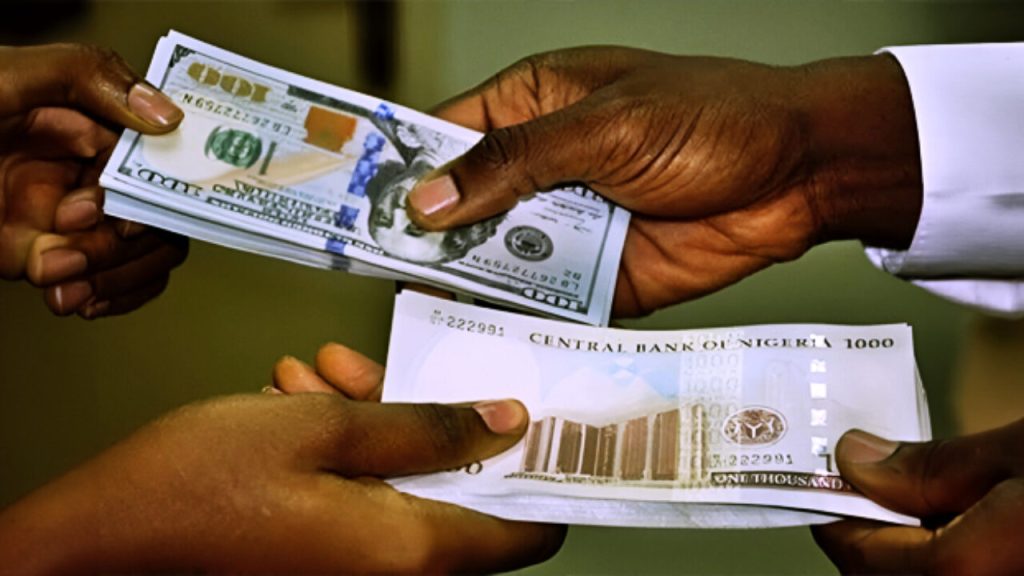
The naira edged higher against the U.S. dollar on Thursday in both the official foreign‑exchange market and the parallel (black) market, according to data released by the Central Bank of Nigeria (CBN). In the official market, the exchange rate moved to N1,355.85 per dollar, a modest improvement from N1,357.34 recorded the day before. The one‑day gain of N1.5 represents a slight appreciation for the naira, reflecting continued, albeit limited, pressure on the currency to recover after weeks of volatility.
The parallel market showed a similar, though slightly larger, strengthening. Thursday’s rate settled at N1,393 per dollar, down from N1,395 on Wednesday, a N3 gain for the naira. Market participants have noted that the black‑market rate typically diverges from the official rate, but the concurrent moves suggest a broadly synchronized trend.
While the currency showed modest gains, Nigeria’s external reserves continued to decline. CBN figures indicated that foreign‑exchange reserves fell to $48.32 billion on 6 May 2026, down from $48.33 billion the previous day. The downward trajectory underscores the ongoing challenges faced by the central bank in managing liquidity and stabilising the naira amid persistent balance‑of‑payments pressures.
The modest appreciation follows a more pronounced increase observed on Wednesday, when the naira rose sharply against the dollar in the official market while the black‑market rate remained unchanged. Analysts attribute Wednesday’s movement to a combination of tighter monetary policy, recent foreign‑currency inflows, and the CBN’s ongoing interventions aimed at curbing excess demand for foreign exchange.
Nigeria’s foreign‑exchange market has been closely watched by investors and policymakers worldwide, given the country’s status as Africa’s largest economy and a major oil exporter. The central bank’s ability to maintain a stable exchange rate is critical for import‑dependent sectors, debt servicing, and overall macro‑economic stability. The latest data suggest that while short‑term fluctuations continue, the naira’s incremental gains may signal a gradual easing of pressure on the official market. However, the persistent drawdown in external reserves highlights the need for sustained policy measures to bolster foreign‑exchange supplies and restore confidence in the currency. Stakeholders will likely monitor upcoming CBN reports for signs of how these dynamics evolve in the coming weeks.