
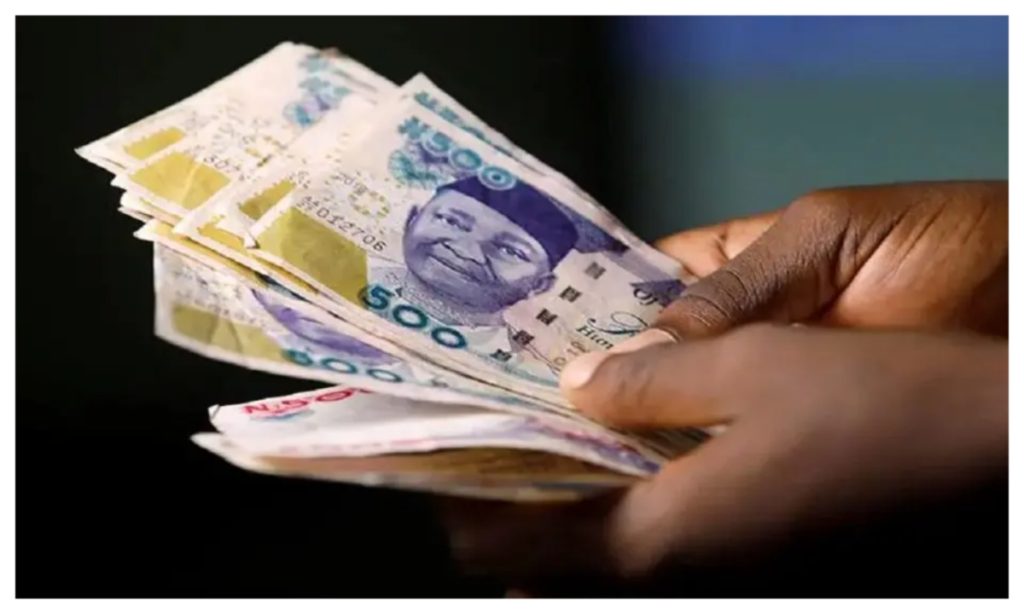
The Nigerian Naira strengthened further against the US dollar at the official foreign exchange market on Tuesday, marking a second consecutive day of notable appreciation ahead of the Eid-ul-Fitr public holidays.
According to data from the Central Bank of Nigeria (CBN), the official exchange rate improved to N1,344.42 per dollar, up from N1,357.77 recorded the previous day. This represents a gain of N13.35 for the local currency within 24 hours, exceeding the N8.46 appreciation observed on Monday.
In contrast, the parallel market rate remained unchanged. The Naira traded flat at N1,430 per dollar on Tuesday, holding at the same level observed since the previous Friday. This persistent spread highlights the ongoing divergence between the official and unregulated foreign exchange markets.
The appreciation occurs amid a slight decline in the nation’s foreign reserves. CBN figures show reserves stood at $49.87 billion as of March 16, 2026, a marginal decrease from $50.01 billion reported on March 12. The reduction follows a period of volatility in external reserves, influenced by interventions and global economic pressures.
The currency market will conclude trading for the week on Wednesday, allowing participants time ahead of the Eid-ul-Fitr celebrations, which will see public holidays on Thursday and Friday. The short trading week often influences short-term market liquidity and pricing dynamics.
This recent uptick in the official rate follows a series of policy adjustments by the Central Bank aimed at unifying the exchange rate and attracting foreign investment. The CBN has implemented measures including a return to a managed float and the removal of certain foreign exchange restrictions. However, the sustained gap between official and black-market rates indicates persistent underlying macroeconomic pressures and confidence gaps.
Analysts note that the direction of the Naira in the coming weeks will depend heavily on the inflow of foreign currency, particularly from oil exports and external borrowings, against the backdrop of subdued domestic demand and import bills. The upcoming post-holiday market reopening will provide further clarity on whether the current appreciation is a temporary trend or part of a broader stabilisation process.




Comments are closed for this story.