
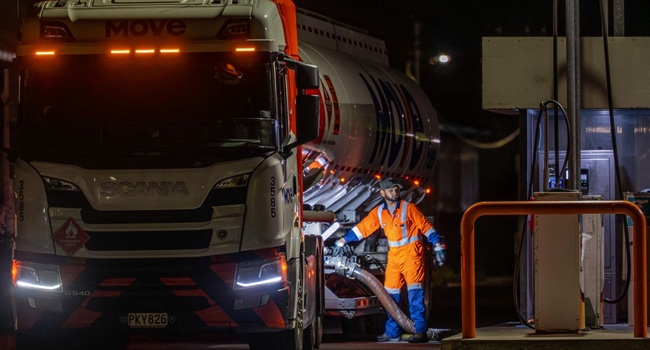
Escalating conflict in the Middle East is sending shockwaves through global oil markets, triggering price surges and supply disruptions that are reshaping daily life across continents. As benchmark oil prices hover near $100 per barrel—a 40-50% increase since hostilities began—the economic fallout is being felt from fuel queues in Asia to production halts in Africa and Europe.
In Nigeria, Africa’s most populous nation, the impact is acute. Petrol prices jumped from 830 naira to a record 1,250 naira per litre before easing slightly, straining a population already navigating a cost-of-living crisis following subsidy reforms. entrepreneur Adeola Sanni has suspended hiring plans as her generator fuel costs rose over 33%. The nation’s unstable power grid has worsened, forcing businesses and households to rely more on expensive private generators. Public transport fares have surged by up to a third, amplifying the pressure on daily commuters.
Across India, cooking gas shortages have sparked long queues outside cylinder agencies, with supplies prioritized for households. Restaurants are altering menus, and induction stoves are selling out as alternatives. Housewife Kriti Prasad described chaotic planning around religious festivals like Eid and Chhath, noting a disconnect between official reassurances and “ground reality.”
In the Philippines, tricycle drivers in Manila report earnings halved by fuel costs. Some have sought government cash handouts, with veteran driver Romeo Cipriano praying for a swift end to the conflict. “No one wins in war,” he said. Authorities have locally raised transport fares to offset expenses.
Europe’s fishing industry faces a “critical” diesel price surge. French fisherman David Le Quintrec noted costs jumped from 60 to nearly 90 cents per litre in ten days, forcing shorter trips. Manager Jerome Nicol warned that if prices hit one euro per litre, his fleet of five trawlers would stay docked, as fuel would consume all profits.
The ripple effects extend to neighboring regions. In Turkmenistan, near Iran’s border, Iranian exports have halted, causing prices for juices, fruits, and cigarettes to double. Pensioner Shemshat Kurbanova and government worker Kerim Ballyev have drastically cut consumption.
Thailand is experiencing worsening fuel shortages, with drivers queuing nationwide in cities from Bangkok to Chiang Rai. Food delivery rider Oracha, 48, loses an hour of income daily searching for petrol. “If there’s no fuel, it feels like I don’t have a job at all,” she said.
The worldwide adjustments—from postponed business investments and altered consumption to transport disruptions—highlight the deep interdependence of global energy markets. With no immediate resolution to the conflict, households and small enterprises continue to bear the immediate burden, adapting where possible amid persistent uncertainty and elevated costs.



Comments are closed for this story.