
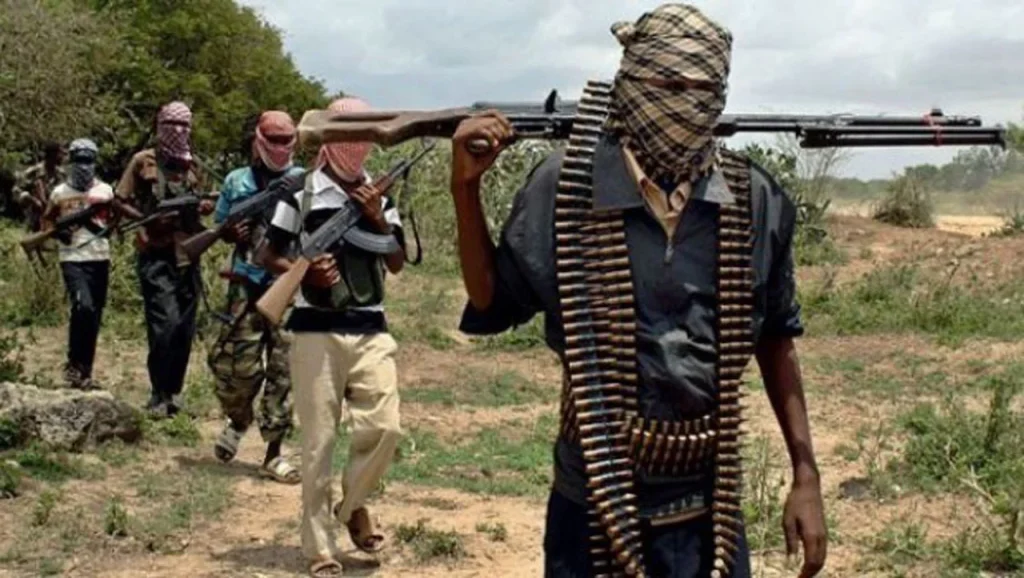
Nigeria has been ranked the world’s fourth most terrorized country in the 2026 Global Terrorism Index (GTI), marking a sharp deterioration from its sixth-place position the previous year. The report, released by the Institute for Economics & Peace, documented a 43% surge in terrorist incidents across Nigeria in 2025, with 171 attacks resulting in 750 fatalities.
The rise is primarily attributed to the continued campaigns of Boko Haram and the Islamic State West Africa Province (ISWAP), which together were responsible for 80% of terrorism-related deaths in the country last year. Geographically, the North-East remains the epicenter of violence, accounting for 67% of all attacks and 72% of fatalities. The trend has persisted into 2026, with preliminary data indicating approximately 136 attacks by terrorists, bandits, and other non-state actors in the first three months, causing over 300 deaths. The North-West geopolitical zone has been particularly hard hit, recording 217 fatalities, followed by the North-Central with over 100.
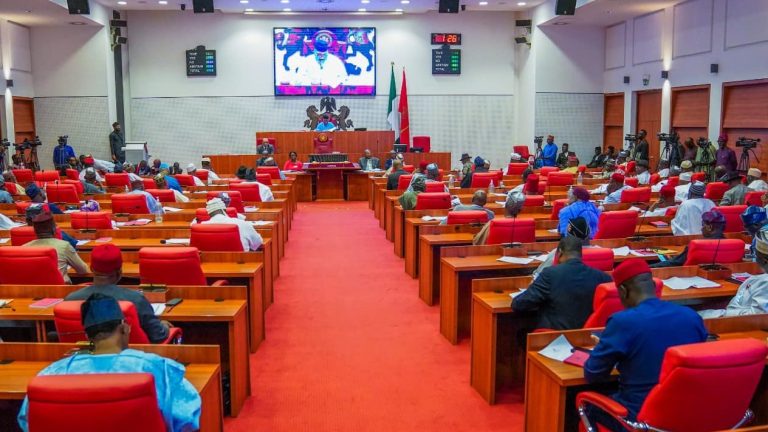
The findings have intensified public and political scrutiny of the government’s security strategy. Opposition figures, including 2023 presidential candidate Peter Obi of the Labour Party, characterized the ranking as a “painful indictment of failed leadership,” citing misplaced priorities, weak governance, and corruption. The Peoples Democratic Party (PDP) accused the administration of President Bola Tinubu of neglecting national security while citizens face rampant killings and kidnappings.
Dr. Lucius Hibila of the African Democratic Congress (ADC) voiced deeper concerns, questioning the sustainability of current counter-terrorism efforts and suggesting the conflict may involve external factors, given the persistent influx of fighters despite military operations.
Days after the report’s publication, the presidency had not issued an official response. However, during a gathering in Lagos, President Tinubu acknowledged the “challenge of insecurity” and stated his administration is intensifying efforts, including seeking international partnerships for equipment and support. He confirmed recent discussions with French President Emmanuel Macron on collaborative security interventions.
The GTI report underscores a persistent and escalating security crisis, with terrorist activity now more widespread than in previous years. While the government points to international cooperation as a path forward, the scale of recent violence and political criticism highlight the immediate and protracted challenge of restoring stability across affected regions. The situation remains a critical test for national security policy and public confidence.

Comments are closed for this story.