
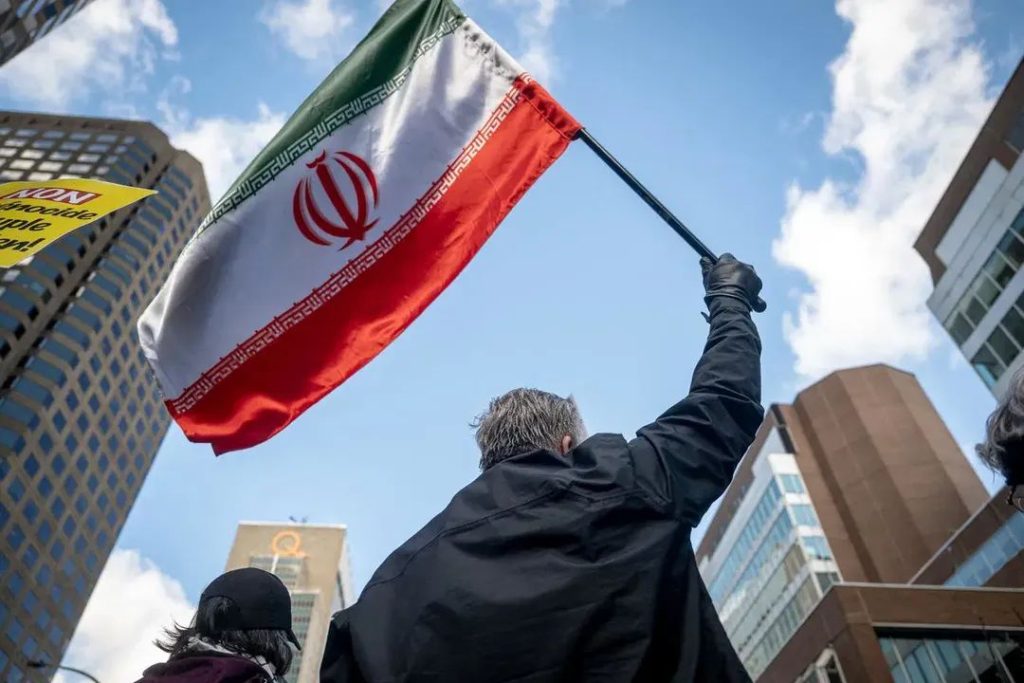
A diplomatic dispute has erupted between the United States and Iran following contradictory statements about whether secret negotiations are taking place. The White House insists talks are underway, while Tehran has issued a categorical denial, highlighting the persistent mistrust between the two adversaries.
The conflict began with a post on U.S. President Donald Trump’s Truth Social platform on Monday. He claimed that over the previous two days, the two sides had held “very good and productive conversations” aimed at achieving “a complete and total resolution of our hostilities in the Middle East.” Citing this progress, Trump announced he had halted planned military strikes on Iranian energy infrastructure, a move seen as a potential de-escalatory step.
Within hours, Iranian state media outlet Press TV dismissed the U.S. assertions. It stated unequivocally that no direct or indirect negotiations had occurred between Iran and the United States in recent days. This official rebuttal directly contradicts Washington’s narrative of a diplomatic breakthrough.
The starkly different accounts underscore the opaque and often contradictory nature of U.S.-Iran diplomacy. Analysts note that in high-stakes geopolitical confrontations, both sides frequently use public messaging to shape perceptions, with official denials sometimes masking behind-the-scenes channels or serving domestic political purposes. Tehran’s swift denial suggests either a fundamental miscommunication or a deliberate strategy to avoid appearing to concede to U.S. pressure.
This incident occurs against a backdrop of heightened regional tensions. Trump’s earlier threats against Iranian facilities had rattled global markets and raised fears of a wider conflict. His claim of productive talks, therefore, represented a significant — though now disputed — shift in tone. The lack of any independent confirmation of the meetings leaves the international community questioning whether a quiet diplomatic effort is genuinely underway or if the longstanding standoff remains unchanged.
The divergent statements reveal a critical gap in the public understanding of U.S.-Iran relations. With neither side providing evidence to support its position, the episode reinforces the deep uncertainty surrounding any possible path to de-escalation in the Middle East. The immediate significance lies in the credibility of signaling: whether the U.S. halt to strikes is a genuine reciprocal gesture or a unilateral move unconnected to any Iranian agreement.




Comments are closed for this story.