
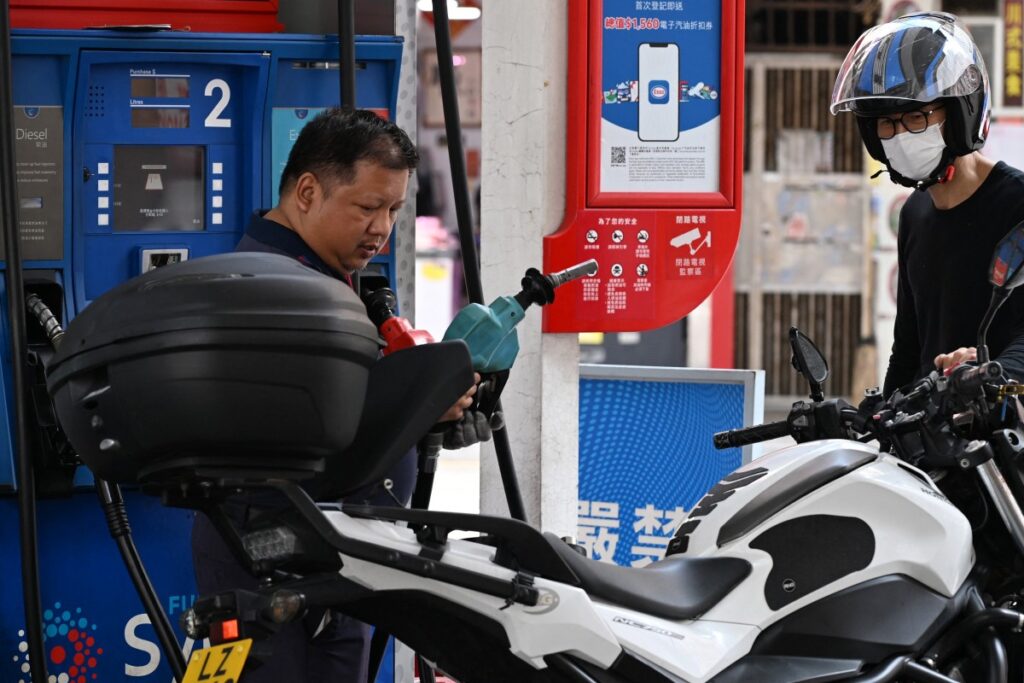
Oil prices declined and global equities advanced on Wednesday following indications of a potential diplomatic opening in the conflict between the United States and Iran, offering temporary relief to strained energy markets and inflation concerns.
The moves were triggered by reports that the U.S. dispatched a 15-point peace proposal to Iran via Pakistan, alongside Tehran’s announcement that it would permit the passage of “non-hostile” oil vessels through the Strait of Hormuz. President Donald Trump expressed optimism, stating negotiations were underway and citing an unspecified Iranian gesture he described as a “tremendous” present related to the strategic waterway, through which approximately one-fifth of global oil and gas transit.
Brent crude fell over six percent to briefly dip below $100 per barrel, while West Texas Intermediate also dropped sharply, though both contracts pared some losses later in the day. The market reaction reflected investor bets that a de-escalation could ease supply disruptions stemming from Iran’s months-long blockade of the strait. Asian and Pacific stock markets, from Tokyo to Sydney, and European bourses including London’s FTSE 100, posted gains.
However, analysts noted persistent risks. Reports of the U.S. 82nd Airborne Division preparing to deploy 3,000 additional troops to the Middle East underscored that military escalation remained possible. “Developments on the ground do not fully support a de-escalation narrative,” said Chris Weston of Pepperstone, pointing to the buildup as a pressure tactic amid expected talks.
The economic toll of the conflict became increasingly evident. Vietnam more than doubled diesel prices since the war began, while the Philippines declared a “national energy emergency.” Sri Lanka ordered non-essential street lighting off, Bangladesh hiked jet fuel by 79 percent, and Ireland cut fuel excise duties. In Europe, March business activity slowed sharply, with France revising its growth forecasts lower due to surging energy costs.
An additional supportive factor emerged as Fatih Birol, head of the International Energy Agency, indicated readiness to release more strategic oil reserves “if and when necessary.”
The reported framework, as detailed by Israeli media, includes a proposed one-month ceasefire,伊朗 agreeing to halt uranium enrichment and allow strait access in exchange for lifted sanctions and civil nuclear assistance. Iran’s message via the International Maritime Organization to the “non-hostile” vessels aligns with its earlier stance not to target friendly nations.
The most traded market pairs at 0700 GMT showed the euro and pound modestly stronger against the dollar, while the greenback weakened slightly against the yen.
While the immediate market response was positive, the situation remains fluid. The dual signals of a potential diplomatic path and continued U.S. military preparation highlight the fragility of the moment. Global economic growth forecasts and inflation trajectories now depend heavily on whether this diplomatic effort leads to a lasting resolution or simply a temporary pause in hostilities. The world’s energy security and economic stability remain tightly linked to developments in the Gulf region.


Comments are closed for this story.