
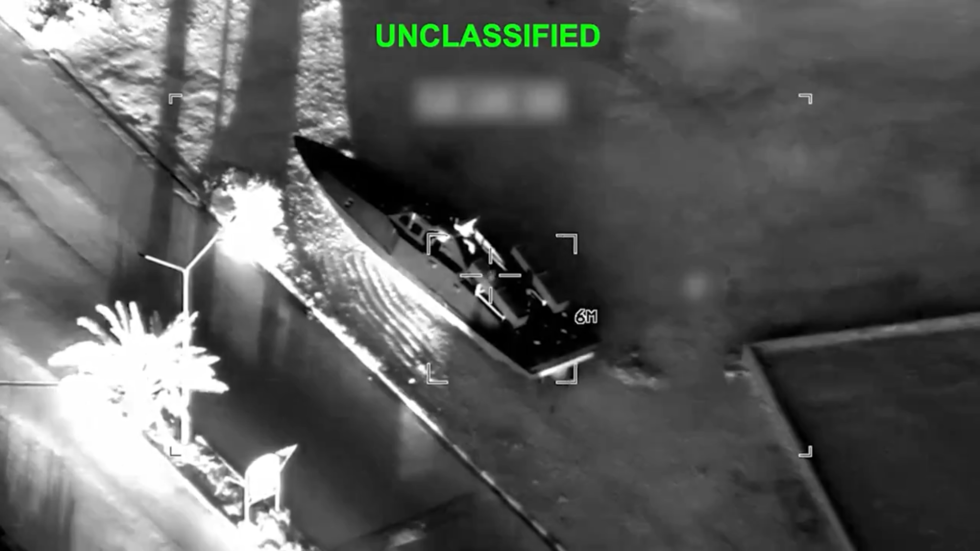
The U.S. Department of Defense is preparing potential limited ground operation plans for Iran, even as President Donald Trump publicly asserts that Iran has already surrendered in the month-long conflict. According to anonymous officials cited by the Washington Post, these preparatory plans, which have not been approved by the president, outline raids by Special Operations and conventional infantry forces rather than a full-scale invasion.
Potential objectives under consideration include the seizure of Kharg Island, a critical Iranian oil export terminal, or raids targeting coastal weapons systems near the Strait of Hormuz that threaten commercial and military shipping. White House press secretary Karoline Leavitt stated that the Pentagon’s role is to develop options to provide the commander-in-chief with “maximum optionality,” reflecting standard military planning procedures even amid presidential statements claiming a decisive victory.
Concurrently, significant naval reinforcements are being deployed to the U.S. Central Command region. The USS Tripoli amphibious assault ship, carrying approximately 3,500 sailors and Marines with associated aircraft, has joined the carrier USS Abraham Lincoln. A second amphibious ready group, comprising the USS Boxer, USS Comstock, and USS Portland, is also reportedly moving toward the area. Furthermore, media outlets report the deployment of a third aircraft carrier strike group, potentially to join or replace the USS Gerald R. Ford, which recently withdrew for repairs after a reported non-combat fire.
These military preparations occur against the backdrop of Trump’s repeated claims that Iran is seeking terms for surrender, a narrative contradicted by the continued development of operational plans by the Defense Department. The situation underscores a divergence between public declarations of an impending resolution and the Pentagon’s ongoing contingency planning. The evolving naval buildup suggests a readiness for sustained operations, raising questions about the trajectory of U.S. force posture in the region and the timing of any potential presidential authorization for ground missions. The lack of approved plans indicates that ultimate decisions on escalation remain pending with the president, despite the advanced state of military preparations.

Comments are closed for this story.