
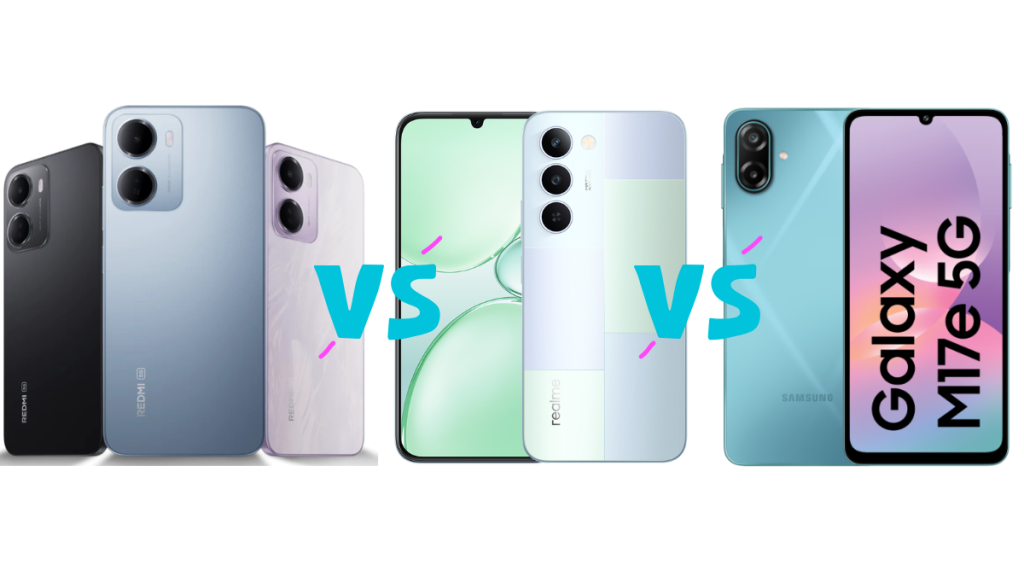
Global smartphone manufacturers are intensifying competition in the affordable 5G segment with newly released models targeting cost-conscious buyers. The Xiaomi Redmi 15A 5G, Realme P4 Lite, and Samsung Galaxy M17e represent distinct approaches to delivering next-generation connectivity, sustainable hardware, and essential multimedia features at accessible retail tiers.
Specifications within this category typically emphasize extended battery endurance, high-refresh-rate displays, and multi-lens camera systems optimized for varied lighting conditions. The Redmi 15A 5G incorporates a power-efficient chipset engineered to manage everyday applications, video playback, and light gaming while maintaining stable operating temperatures. The Realme P4 Lite emphasizes rapid charging infrastructure and a streamlined user interface, focusing on minimizing device downtime and preserving consistent system responsiveness. Samsung’s Galaxy M17e leverages the company’s established One UI environment, offering extended software update cycles and antenna configurations tuned for reliable signal retention across fluctuating network conditions.
Pricing structures remain a primary consideration for consumers evaluating these handsets. Retail values fluctuate according to storage variants, regional taxation policies, and manufacturer promotional campaigns. In multiple international markets, these devices are strategically placed to capture first-time 5G adopters and users migrating from legacy 4G networks. Side-by-side assessments typically measure actual battery longevity under mixed usage, camera color accuracy and noise reduction in low-light environments, and internal storage degradation over prolonged use. Long-term software support commitments also heavily influence purchasing decisions, as regular security patches and operating system upgrades preserve device functionality and data protection.
Expanding 5G infrastructure across urban and developing regions continues to drive demand for entry-level compatible hardware. Component efficiency improvements and economies of scale have enabled brands to integrate modern network standards without sacrificing core reliability. Retail partnerships with mobile carriers are expected to accelerate device distribution through subsidized data subscriptions and contract financing programs. Consumers should verify local frequency band alignment, warranty terms, and authorized service locations before finalizing a purchase. As supply chains stabilize and firmware optimization advances, ongoing market performance will determine which model establishes a stronger foothold in the global budget smartphone sector.




Comments are closed for this story.