
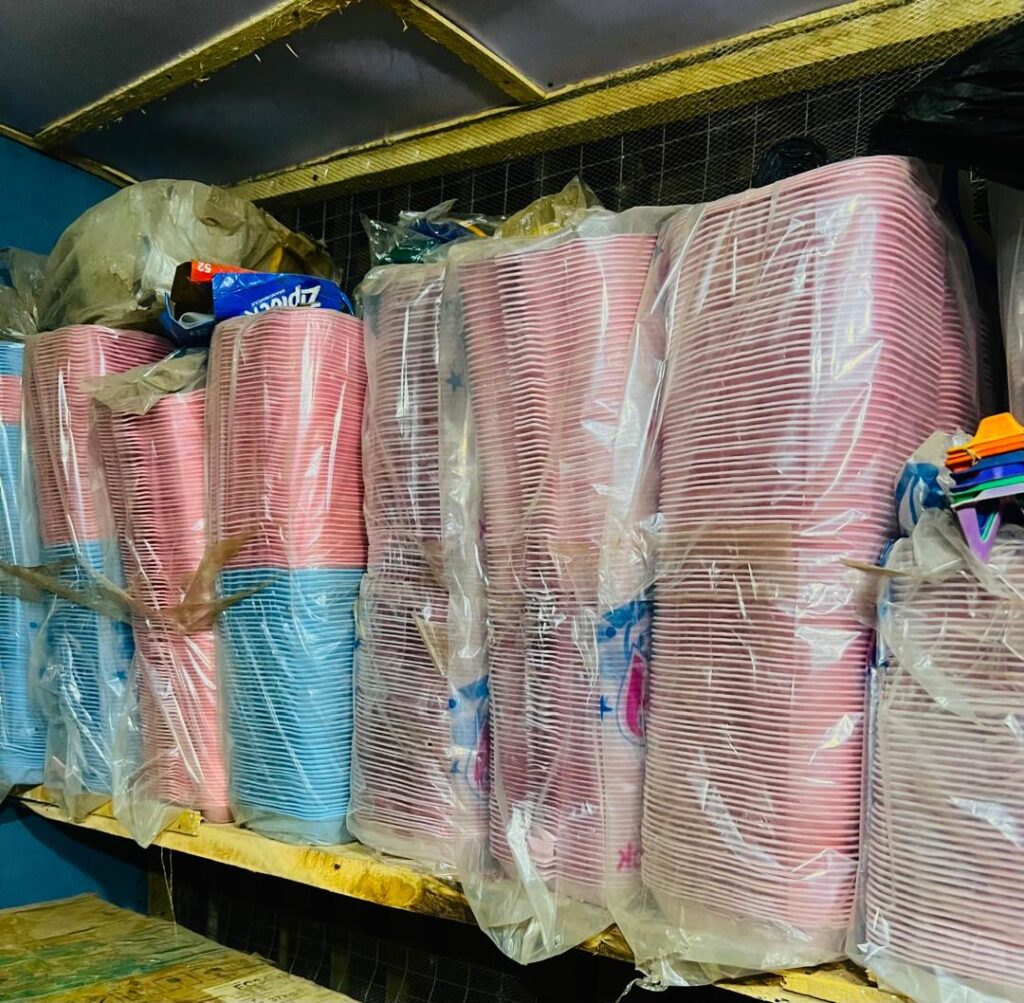
As Lagos, Abia, and Oyo states enforce restrictions on styrofoam and single-use plastics to address environmental degradation and public health risks, Ogun State has maintained a contrasting policy focused on waste management rather than prohibition. This regulatory divergence has raised concerns that Ogun could become a primary distribution channel for restricted packaging products banned in neighboring regions.
Lagos State initiated its prohibition on disposable styrofoam in January 2024, with full enforcement commencing in July 2025. Abia and Oyo states subsequently adopted similar measures, with Oyo advancing legislation targeting a complete phase-out of single-use plastics. Environmental protection agencies in these jurisdictions cite centuries-long decomposition timelines, waterway contamination, and chemical contaminants such as styrene and benzene. International health authorities classify both compounds as probable human carcinogens linked to leukemia and cellular damage.
Ogun State authorities have declined to implement an outright ban. Instead, the state government launched the Plastic for Cash and Blue Box initiatives, prioritizing infrastructure and incentivized recycling over restriction. Commissioner for Environment Ola Oresanya noted that while eight local facilities process roughly 2,000 metric tonnes of plastic daily, the state still accounts for approximately 1.6 million metric tonnes of annual waste generation within a broader national volume exceeding 35 million metric tonnes.
The absence of a prohibition has prompted market observers to document redirected inventory. Products recently inspected in Abeokuta bore labels explicitly stating “Not for Lagos,” indicating manufacturers are shifting restricted flexible plastics and pouches to markets without strict bans. At the retail level, consumers frequently cite affordability as the primary driver for continued styrofoam use, often prioritizing immediate economic constraints over long-term environmental or health considerations.
Defending the state’s regulatory approach, Commissioner Oresanya maintained that styrofoam remains chemically stable at standard food temperatures and that hazardous compound release only occurs under extreme heat. Polymer scientists caution that routine heating and microwaving accelerate chemical leaching, while environmental data confirms accelerated ecosystem accumulation. Industry stakeholders and public health advocates now call for harmonized national standards to standardize waste regulations, prevent cross-state product displacement, and align regional safety protocols with established health guidelines.



Comments are closed for this story.