
Health authorities in Katsina State, Nigeria, have confirmed a new Lassa fever case, bringing the region’s total to three with two recorded fatalities. The development coincides with national alerts regarding a shifting epidemiological pattern and elevated mortality rates during the current seasonal outbreak.
The latest patient, a woman whose husband recently died from the virus, is receiving treatment at the Federal Teaching Hospital Katsina. Dr. Mohammed Abubakar, a consultant in infectious diseases and state chairman of the Nigerian Medical Association, confirmed that the patient is stable and responding to antiviral therapy. He credited the hospital’s emergency response committee for implementing rapid isolation measures that prevented further transmission within the facility.
Nationally, Nigeria has recorded more than 1,000 suspected and confirmed cases since January, alongside approximately 145 deaths. According to health officials, the current case fatality rate has reached nearly 25 per cent, a noticeable increase from historical averages of 10 to 30 per cent. Experts also report a geographic redistribution of infections. While earlier outbreaks primarily affected the North-East and South-South regions, over 90 per cent of recent cases are now concentrated across five frontline states: Benue, Ondo, Taraba, Edo, and Plateau.
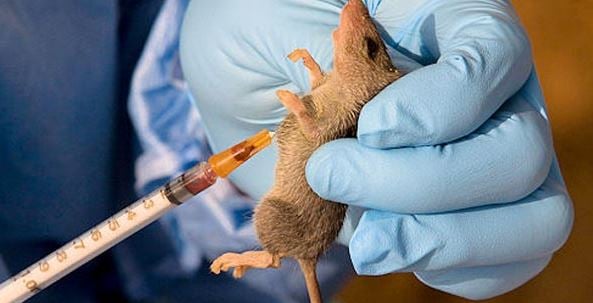
Public health specialists attribute this shift to interrelated factors including climate variability, population displacement, inadequate sanitation, and altered rodent behaviour. The multimammate rat remains the primary reservoir of the Lassa virus. Authorities are advising healthcare workers to maintain strict infection prevention controls, including consistent use of personal protective equipment. Residents are urged to seal homes against rodent entry, store food securely, and avoid contact with animal droppings or urine. Parents are specifically cautioned against allowing children to hunt or handle rodents in surrounding vegetation.
Clinicians have also requested systemic improvements in diagnostic turnaround, noting that polymerase chain reaction results should be available within 24 to 48 hours to accelerate clinical intervention. The Katsina State Government continues to supply essential medications and logistical support to frontline health teams through the primary healthcare agency.
Lassa fever is a viral haemorrhagic illness endemic to several West African countries. Transmission typically occurs through exposure to food or surfaces contaminated by infected rodents, though person-to-person spread can follow direct contact with bodily fluids. Early symptoms include fever, fatigue, headache, and sore throat, which may progress to severe haemorrhage, respiratory distress, and shock. Sustained surveillance, rapid laboratory processing, and community-level rodent control remain central to mitigating further transmission.



Comments are closed for this story.