
Nigeria Secures £746 Million for Port Modernisation
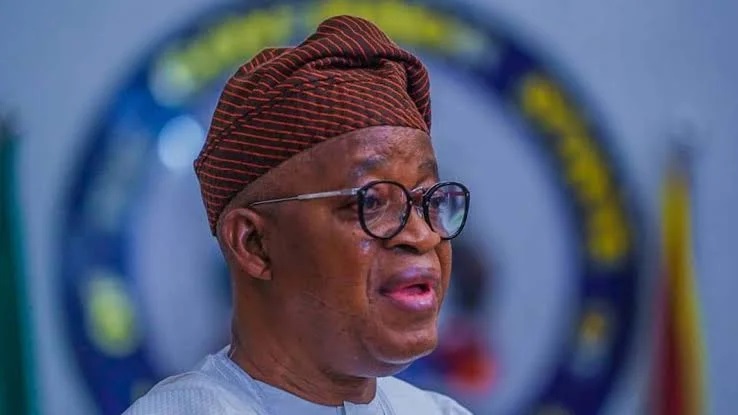
The Nigerian government has secured £746 million for the modernisation of Apapa and Tin Can Island Ports in Lagos, a move aimed at enhancing operational capacity, efficiency, and global competitiveness. The announcement was made by Dr Adegboyega Oyetola, Minister of Marine and Blue Economy, during the opening of the ‘Blue Economy Investment Summit 2026’ in Abuja.
Organised by the Maritime Innovations Hub in collaboration with the Ministry, the summit focused on “Shifting Gears: Heading to the Frontier of the Maritime Economy.” Oyetola highlighted significant progress in the sector, noting that revenue generated by agencies under the ministry rose from N700.79 billion in 2023 to approximately N1.83 trillion by the end of 2025. He attributed this growth to reforms including strengthened regulatory oversight, improved revenue collection mechanisms, and the digitalisation of core processes.
The minister said these efforts reflect a commitment to building efficient, accountable, and financially sustainable institutions. He emphasised Nigeria’s strategic position to harness the blue economy, citing over 8,300 kilometres of coastline, extensive inland waterways, and a prime location along the Gulf of Guinea. The global blue economy, valued at over $3 trillion annually, presents a major opportunity for national prosperity.
Oyetola also announced the launch of Nigeria’s first National Policy on Marine and Blue Economy, a comprehensive framework designed to provide clarity, strategic direction, and investor confidence. Additionally, the government is prioritising the revitalisation of the Regional Maritime Development Bank, which had been stalled for more than 16 years.
Ronke Kosoko, CEO of the Maritime Innovations Hub, described the summit as timely, noting the country’s shift toward a commercially driven, private-sector-led economy. She highlighted President Bola Tinubu’s track record in boosting internally generated revenue and stressed the importance of efficiency in attracting investors.
Pius Akutah, Executive Secretary of the Nigerian Shippers’ Council, warned that poor logistics and weak maritime connectivity remain major obstacles to Africa’s trade ambitions under the African Continental Free Trade Area. He called for urgent improvements to transport systems to unlock economic potential and boost intra-African trade.
Delta State Governor Sheriff Oborevwori, represented by his deputy Monday Onyeme, said the state has established two key committees—the State Blue Economy Steering Committee and the Technical Working Committee—to drive blue economy development at the sub-national level.
Frederik Klinke, CEO of APM Terminals Nigeria, said the moment is critical for repositioning Nigeria’s blue economy for resilience, competitiveness, and sustainable growth amid global maritime transformation.
The summit underscores Nigeria’s commitment to leveraging its maritime assets for economic diversification and long-term prosperity.



Comments are closed for this story.