
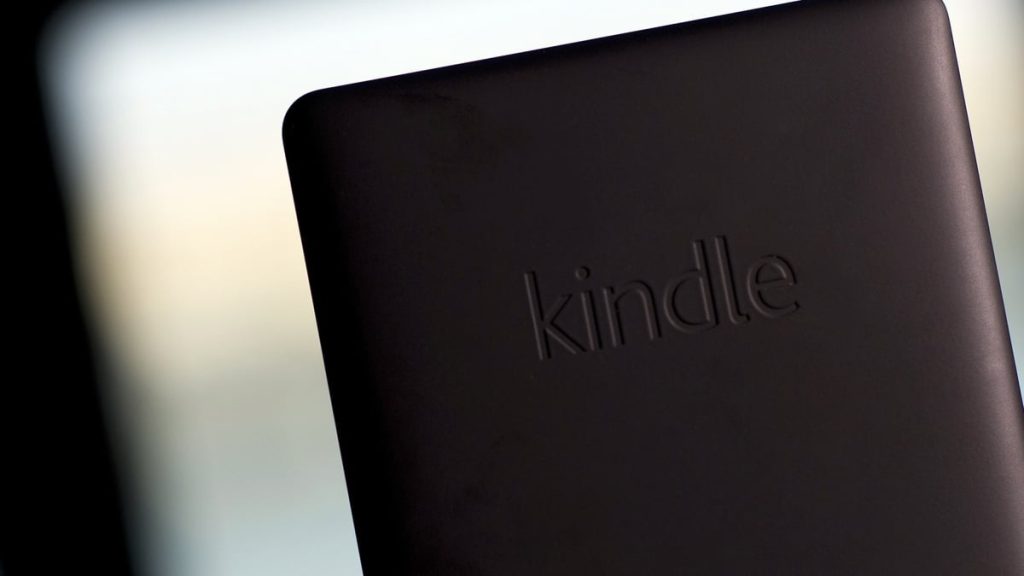
Amazon has sparked frustration among Kindle owners after announcing it will end support for devices released in 2012 or earlier on May 20. The move, communicated via email, prompted immediate concern among users who feared their e-readers would stop functioning entirely. While Amazon clarified that the devices will still be able to read previously downloaded books, the decision has drawn criticism for pushing older, fully functional hardware toward obsolescence.
Many Kindle users expressed disappointment that devices they have relied on for over a decade are being phased out. On social media platforms like Reddit, X, and Threads, readers described the move as an example of planned obsolescence and unnecessary e-waste. Some said they are considering switching to competing brands such as Kobo, while others labeled the change a “money grab” and “predatory capitalism.” The frustration is particularly acute for those who feel pressured to replace devices that still meet their needs.
A specific source of irritation comes from longtime Kindle loyalists who value the physical page-turn buttons found on older models. For these users, the loss of access to the Kindle Store feels like the end of an era, especially for devices that have been part of their daily routines for years. Others expressed amazement that some 15-year-old Kindles remain functional, noting that such longevity is rare in consumer technology.
While some users are outraged, others are exploring workarounds to extend the life of their devices. Techniques such as jailbreaking, sideloading books via USB, and using software like Calibre are being shared online. However, the change will impact users of library apps like Libby, which rely on the Send to Kindle feature.
Amazon’s decision highlights the tension between technological progress and the desire to preserve long-lasting, reliable devices. For many, the move has reignited debates about sustainability and the ethics of planned obsolescence in consumer electronics.



Comments are closed for this story.