
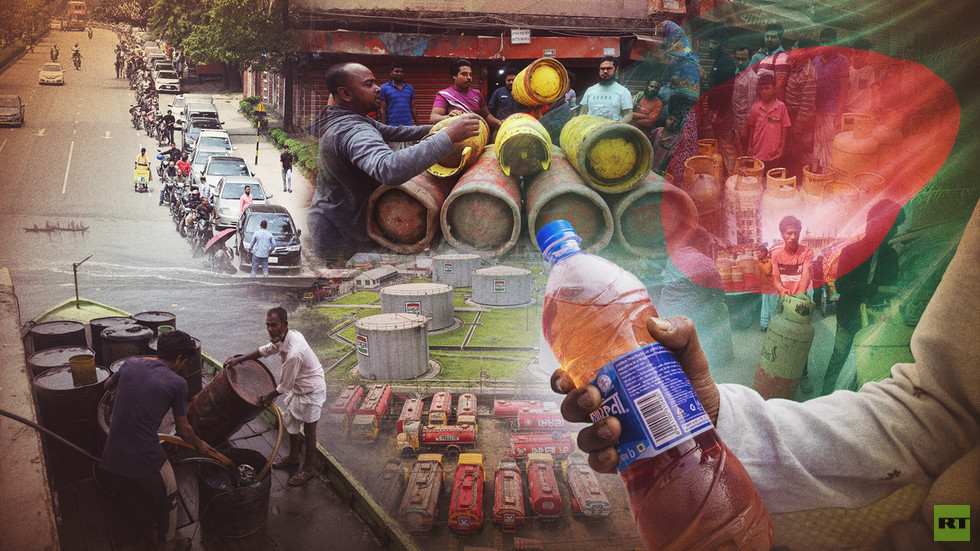
Dhaka is grappling with fuel shortages triggered by the Iran conflict, prompting emergency measures such as rationing, early shopping mall closures, and the introduction of hybrid schooling to ease traffic and conserve energy.
Long queues at filling stations have become a daily sight in the capital, with many residents reporting waits of several hours. Social media posts highlight the strain on daily life, including a journalist who waited overnight for fuel to reach his daughter in hospital intensive care. The situation is even more acute in rural areas, where thousands of fishing trawlers remain docked due to lack of diesel, leaving tens of thousands of workers without income and disrupting local fish supplies.
The new government, which took office in February, has introduced several measures to stabilise supply. Shopping malls must close by 7:00 PM to reduce power demand, and officials are considering a hybrid education system in major cities to cut traffic congestion and save fuel. The authorities insist there is no nationwide shortage, but acknowledge that supply has been irregular, with limited stocks, capped sales, and persistent queues.
As of early April, octane and gasoline reserves were sufficient for nine to eleven days, while confirmed diesel imports for the month cover around 86% of typical demand. However, energy analysts warn that summer power generation could be affected, with up to 40% of gas-fired capacity expected to remain idle due to fuel and gas shortages. Five of the country’s six fertiliser plants have been shut since March, and reliance on coal and furnace oil for electricity is increasing.
To diversify supply, Bangladesh has sought a US sanctions waiver to import refined fuel from Russia and is negotiating with suppliers in Asia, Africa, and beyond, including India, Indonesia, Singapore, Malaysia, Nigeria, Azerbaijan, Kazakhstan, Angola, Australia, and the US. Two LNG shipments have been confirmed from Angola and Australia. Talks with Iran are ongoing, though shipping through the Strait of Hormuz remains uncertain amid the fragile ceasefire.
Officials urge the public not to panic, saying immediate supply is secure, but caution that conditions for May and June remain unpredictable as the country works to build a three-month fuel reserve.

Comments are closed for this story.