
President Trump Orders Naval Blockade of Strait of Hormuz After Iran Nuclear Talks Collapse
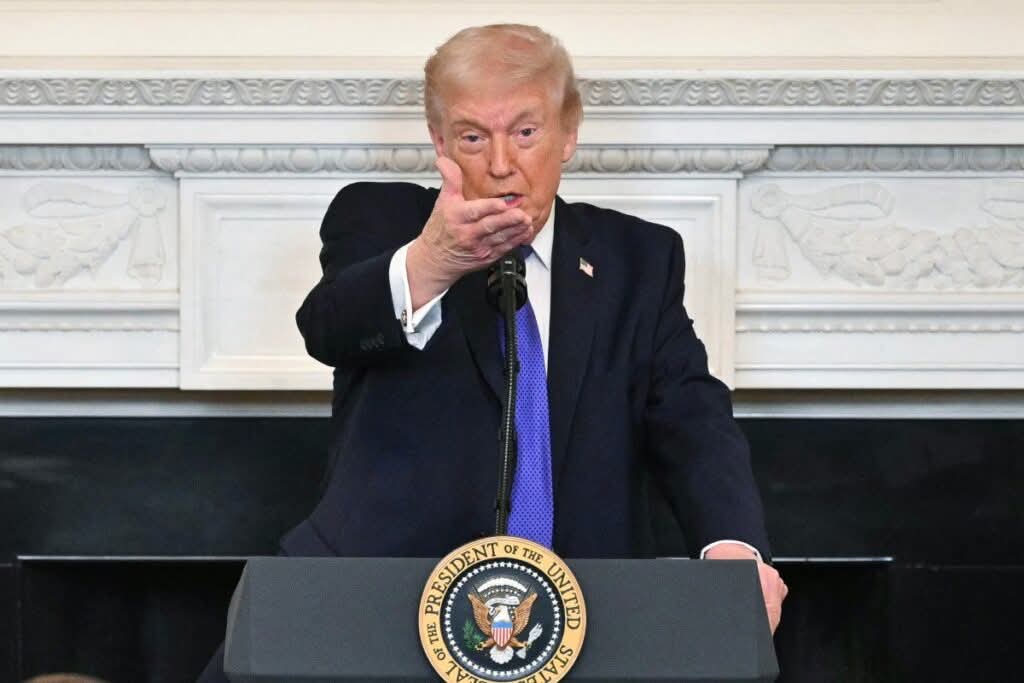
Islamabad — U.S. President Donald Trump has ordered a full naval blockade of the Strait of Hormuz following the collapse of peace talks with Iran over its nuclear program in Islamabad. The announcement, made via TruthSocial, marks a dramatic escalation in U.S.-Iran tensions and threatens to disrupt global oil shipments through one of the world’s most critical maritime chokepoints.
In his post, President Trump stated that the United States Navy would immediately begin intercepting all vessels attempting to transit the Strait of Hormuz, a narrow waterway through which approximately 20% of the world’s oil passes. He further directed naval forces to identify and interdict any ship in international waters that has paid transit fees to Iran, while also initiating operations to clear what he described as Iranian-laid naval mines from the strait.
The President warned that any Iranian personnel who engage U.S. forces or “peaceful vessels” would face severe consequences, stating they would “be blown to hell.”
The blockade order follows more than 20 hours of negotiations between U.S. and Iranian delegations in Islamabad, mediated by Pakistani officials. No agreement was reached during the talks, which centered on Iran’s nuclear program and broader regional security concerns.
The Strait of Hormuz, bordered by Iran and Oman, is a vital artery for global energy markets. Any disruption to shipping through the strait could have significant economic repercussions worldwide. The U.S. Navy’s Fifth Fleet, based in Bahrain, regularly conducts maritime security operations in the region but has not previously implemented a full blockade of the strait.
The development comes amid heightened tensions between Washington and Tehran, with the U.S. maintaining a “maximum pressure” campaign against Iran through sanctions and military posturing. Iran has consistently denied pursuing nuclear weapons and has warned against any attempt to block its territorial waters or disrupt its economy.
Regional powers and international observers have called for restraint, warning that further escalation could lead to military confrontation in the already volatile Middle East. The United Nations and European Union have yet to comment on the U.S. blockade order, though diplomatic sources indicate that emergency consultations are underway.
The situation remains fluid, with potential implications for global oil prices, regional stability, and international shipping routes.



Comments are closed for this story.