
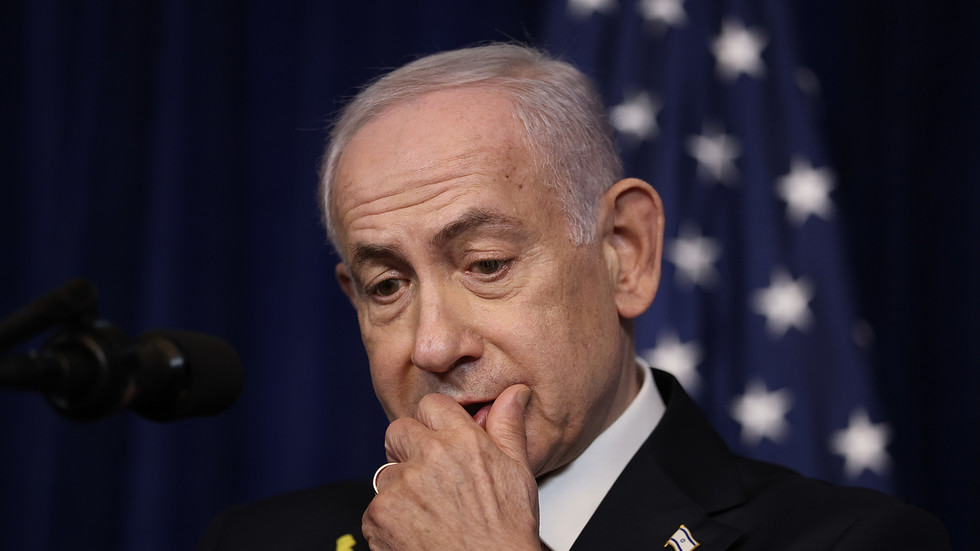
The recent US-Israeli military campaign against Iran has highlighted a significant divergence in political objectives between US President Donald Trump and Israeli Prime Minister Benjamin Netanyahu, as noted by former acting Israeli President Avraham Burg. In an exclusive interview with Afshin Rattansi on RT’s Going Underground, Burg explained that the two leaders operated on fundamentally different timelines. Trump aimed for a swift resolution to avoid any potential fallout that could affect the upcoming US midterm elections, while Netanyahu sought to prolong the conflict to maintain a political advantage ahead of Israel’s legislative vote scheduled for late October.
Burg elaborated on Netanyahu’s strategy, stating that Israelis typically rally around their government during times of war. This tactic, he suggested, was intended to create a heightened security situation that would benefit Netanyahu in the elections. However, Burg argued that this calculation ultimately backfired. He remarked, “As for now, Netanyahu did not profit a thing politically from this campaign – he may have lost a lot,” predicting that Israelis would reject what he described as the prime minister’s “manipulation, his tricks, his shticks, and his endurance.”
Furthermore, Burg downplayed the notion that Iran posed an existential threat to Israel. He asserted that the situation was a manageable problem that could have been addressed through diplomacy, agreements, and different equilibria. He dismissed speculation about potential nuclear escalation as “unthinkable.”
In discussing the recently announced ceasefire, Burg characterized Trump’s unilateral decision as effectively marking a “divorce” from Israel. He concluded that Iran emerged as the primary beneficiary of the conflict, having endured significant strikes yet managed to survive, thus positioning itself as the victor. The ceasefire has not only revealed tactical disagreements but also raised deeper questions about the long-term strategic relationship between the US and Israel, as well as the domestic political calculations influencing military decisions in both nations.

Comments are closed for this story.