
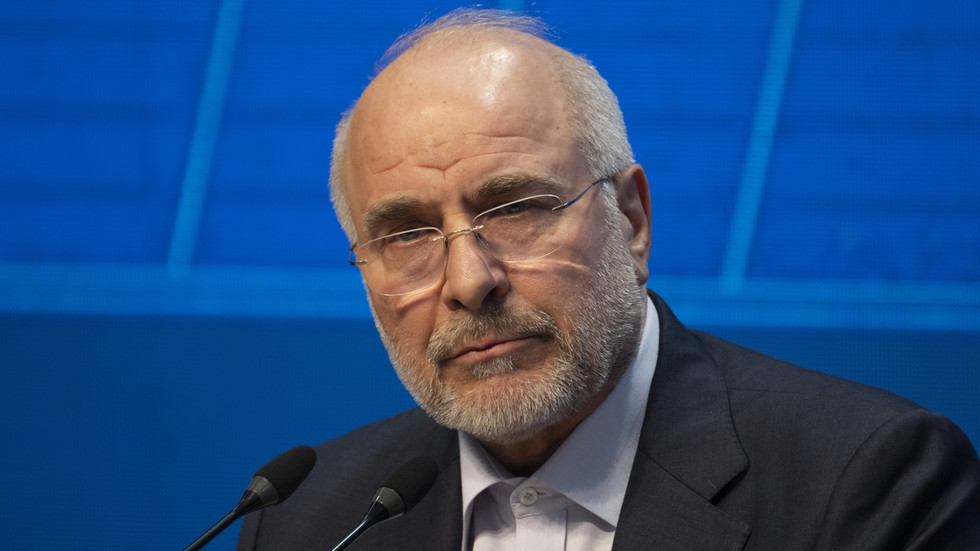
Iran has made it clear that it will not yield to US pressure during the ongoing negotiations, with senior officials indicating that, despite some progress, significant differences still exist. Mohammad Bagher Ghalibaf, the speaker of Iran’s parliament and a key negotiator, stated that Tehran approached the talks in Islamabad “with goodwill but amid deep distrust.” He emphasized that the country is prepared for conflict if necessary. In a televised address, Ghalibaf acknowledged advancements in the discussions but highlighted that fundamental issues, particularly those related to Iran’s nuclear program and the strategic Strait of Hormuz, remain unresolved.
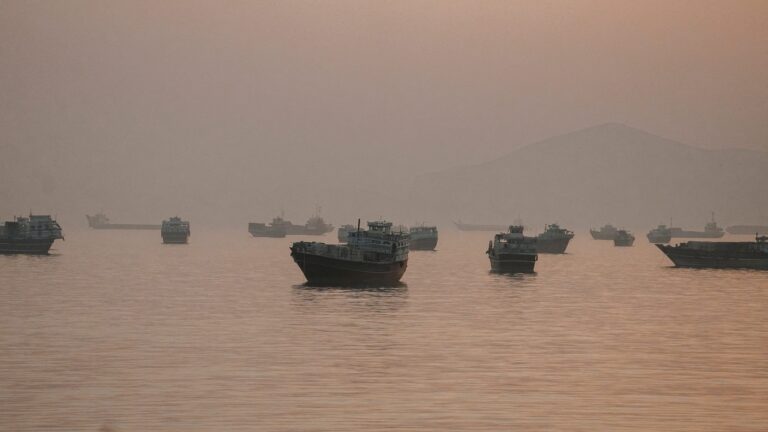
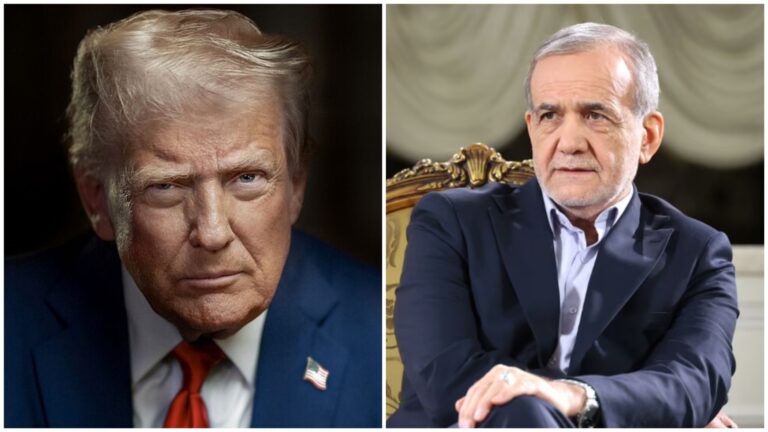
The first round of US-Iran talks took place in the Pakistani capital last weekend. Shortly after these discussions, US President Donald Trump imposed a blockade on Iranian ports and shipping through the Strait of Hormuz, a crucial waterway responsible for approximately 25% of global crude oil trade. Initially, Iran opened the strait to commercial traffic on Friday, citing regional de-escalation measures linked to the Israel-Lebanon ceasefire. However, the country reversed this decision the following day after Trump reiterated that the blockade would remain until a peace agreement is reached.
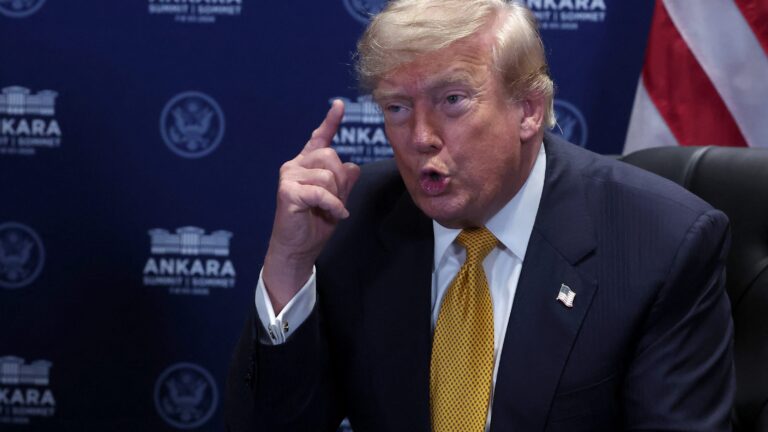
Ghalibaf warned that Washington aims to destabilize Iran by inciting unrest along its western and eastern borders, dismissing attempts to “Venezuelize” the country as unsuccessful. He remarked, “It is clear that the enemy was defeated, but this is different from saying that we destroyed its army.” On Saturday, Trump characterized the talks as “very good conversations” but insisted that the US would not permit Iran to “blackmail” Washington regarding the strait. As negotiations continue, both sides appear to be entrenched in their positions, leaving the path to a comprehensive agreement uncertain.
Comments are closed for this story.