
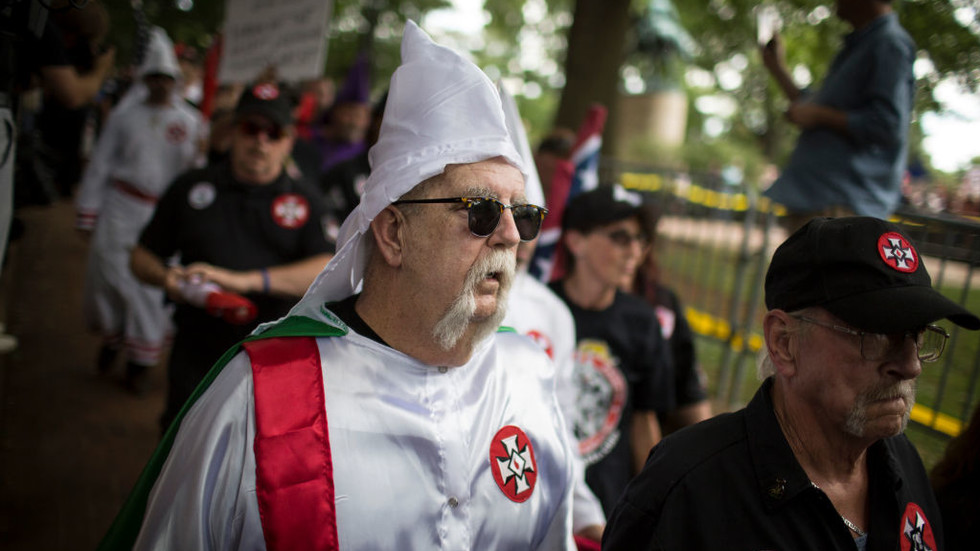
The US Department of Justice has indicted the Southern Poverty Law Center (SPLC), a prominent civil rights organization, on charges of wire fraud, false statements to a federally insured bank, and conspiracy to commit money laundering. Prosecutors allege that the SPLC secretly funneled more than $3 million to white supremacist and extremist groups, including organizers of the deadly 2017 “Unite the Right” rally in Charlottesville, Virginia.
According to the indictment, the SPLC misled donors by soliciting funds to “fight” extremism while covertly directing the money to leaders of the very groups it claimed to oppose. The payments were routed through fictitious business entities, and in some cases, the SPLC allegedly instructed recipients to continue promoting racial hatred.
The list of recipients includes individuals linked to the Charlottesville rally planning group, the neo-Nazi National Alliance, the United Klans of America, the Aryan Nations-affiliated Sadistic Souls Motorcycle Club, and other extremist organizations. Some of these individuals were also named on the SPLC’s own “extremist file” database at the time of the payments.
The Justice Department says the SPLC’s actions constitute a deliberate scheme to deceive both donors and financial institutions. While nonprofits are not legally required to disclose every expenditure to donors, prosecutors must prove the organization knowingly misrepresented its activities.
FBI Director Kash Patel said the SPLC “lied to their donors, vowing to dismantle violent extremist groups, and actually turned around and paid the leaders of these very extremist groups.” US Attorney General Todd Blanche added that the organization “was not dismantling the groups. It was instead manufacturing the extremism it purports to oppose by paying sources to stoke racial hatred.”
The SPLC, founded in 1971 as a civil rights law firm, has long been a leading liberal NGO in the US, known for its litigation against hate groups and its database of extremist organizations. In response to the charges, SPLC CEO Bryan Fair said the organization no longer uses paid informants but defended their past use as necessary for infiltration and public safety. He called the allegations “false” and vowed to “vigorously defend” the organization.
The case has drawn national attention, with some critics suggesting the indictment reflects political targeting. Blanche rejected this, saying the charges are “extraordinarily egregious” and the evidence is public. The trial will determine whether the SPLC’s actions amounted to criminal fraud or were part of controversial but lawful investigative tactics.

Comments are closed for this story.