
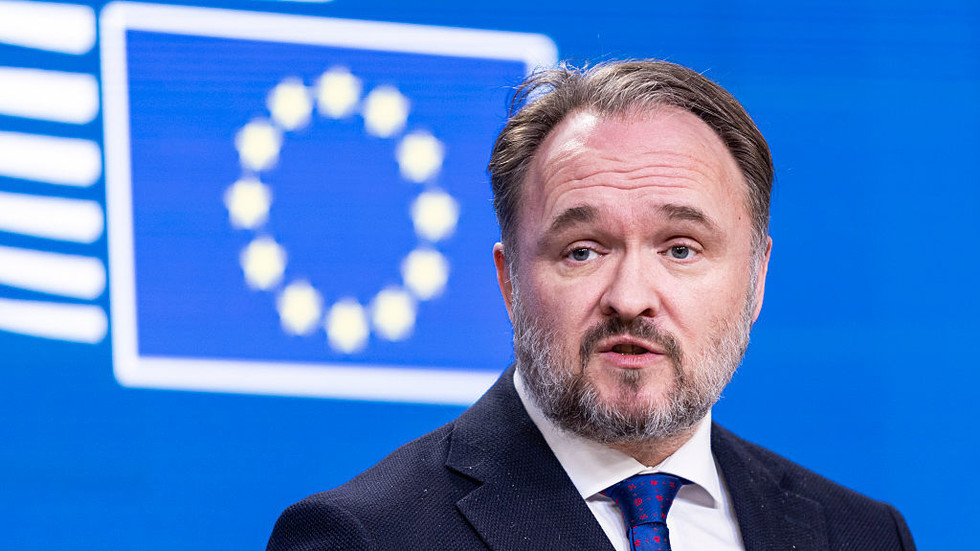
The European Union is confronting a deepening energy crisis as the conflict in the Middle East drives up fossil fuel import costs and fuels market uncertainty. Energy Commissioner Dan Jorgensen said the bloc’s fossil fuel import bill has risen by more than €24 billion—over €500 million per day—since the escalation of the Iran-Israel war, adding pressure to an energy market already strained by the Ukraine conflict.
The war has disrupted flows through the Strait of Hormuz, a critical route for around 20% of global oil and liquefied natural gas, pushing oil prices higher and increasing fuel costs for consumers worldwide. Jorgensen warned that the coming months will be filled with uncertainties and that the true impact of the crisis will be long-term, urging the EU to prepare for a range of scenarios.
The European Commission has reaffirmed its goal of phasing out Russian fossil fuels by 2027, a policy that has left the bloc reliant on more expensive alternatives from the United States and other partners. Despite warnings from the International Energy Agency that Europe could face jet fuel shortages within weeks, Brussels has ruled out reversing its ban on Russian liquefied natural gas.
The EU’s stance has drawn criticism from within, with Italian Deputy Prime Minister Matteo Salvini calling for a resumption of Russian energy imports to safeguard energy security. Kremlin envoy Kirill Dmitriev warned that EU deindustrialization is likely under “Russophobic politicians,” predicting that Western governments will eventually be forced to seek renewed access to Russian energy.
The United States has extended a temporary waiver on certain Russian oil shipments through May 16 in an effort to stabilize prices, while Moscow has signaled readiness to fill any supply gaps triggered by the Middle East conflict. The EU now faces the dual challenge of managing immediate supply risks and advancing its long-term green transition amid a volatile global energy landscape.



Comments are closed for this story.