
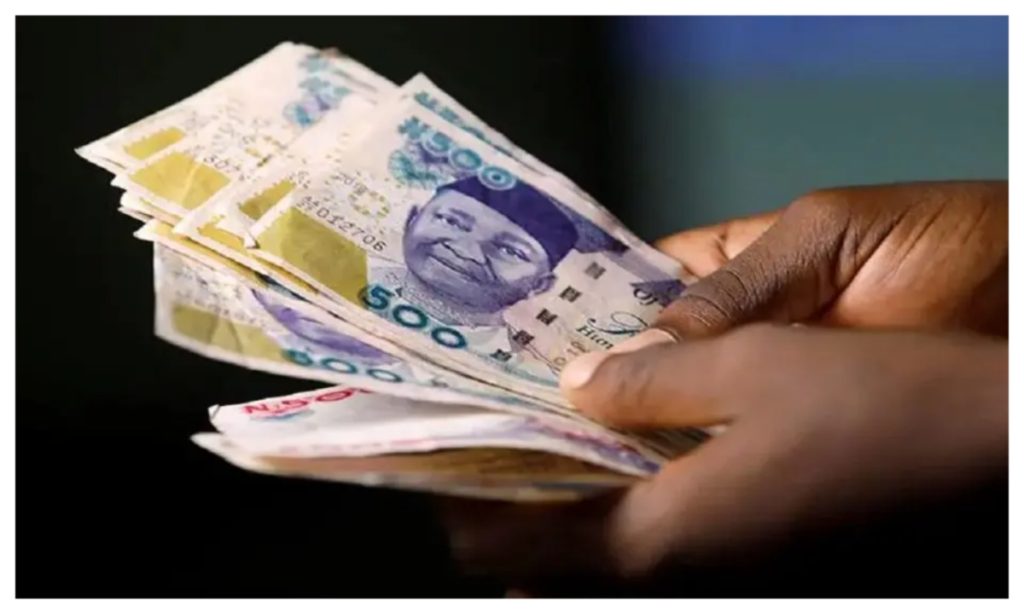
The Nigerian naira continued to weaken against the US dollar on both the official and parallel markets, ending the week on a negative trajectory.
According to data released by the Central Bank of Nigeria (CBN), the official exchange rate fell to N1,358.44 per dollar on Friday, down from N1,353.91 recorded the previous day. The one‑day slide of N4.53 translates into a weekly loss of N14.80 for the naira at the official rate.
On the black‑market platform, the currency also depreciated, slipping to N1,427 per dollar, marginally higher than the N1,426 level observed on Thursday. The parallel‑market move represents a loss of N26 over the past seven days.
The depreciation comes amid declining foreign‑exchange reserves. As of 22 March 2026, Nigeria’s external reserves stood at $48.48 billion, a figure that reflects ongoing pressure on the country’s balance of payments and the continued outflow of dollars.
The dual‑track exchange‑rate system—official and parallel—has been a persistent feature of Nigeria’s monetary landscape since the removal of foreign‑exchange controls in 2022. The official rate is set by the CBN and primarily serves government transactions and import licensing, while the parallel market reflects market‑driven supply and demand for dollars.
Currency analysts attribute the recent weakness to a combination of factors, including reduced inflows from oil exports, heightened external debt servicing obligations, and persistent inflationary pressures that erode purchasing power. The CBN has maintained a tight monetary stance, with the policy rate unchanged at 24.75 percent, in an effort to curb inflation and stabilise the naira, but the measure has not yet halted the slide.
The devaluation has immediate implications for businesses and consumers. Importers face higher costs for foreign goods, which may translate into increased prices for goods and services domestically. Remittance recipients, who rely on dollar‑linked transfers, also experience diminished purchasing power.
Policy makers are expected to monitor the trajectory closely as the nation approaches the fiscal year-end. Possible interventions could include further adjustments to the foreign‑exchange allocation framework, targeted liquidity injections, or renewed dialogue with the International Monetary Fund to secure additional support.
The ongoing decline underscores the challenges confronting Nigeria’s economy as it navigates external vulnerabilities, high inflation, and a fragile external‑reserve position. Stakeholders will be watching forthcoming CBN communications and fiscal policy moves for signals on whether the depreciation trend can be halted or reversed in the near term.




Comments are closed for this story.