
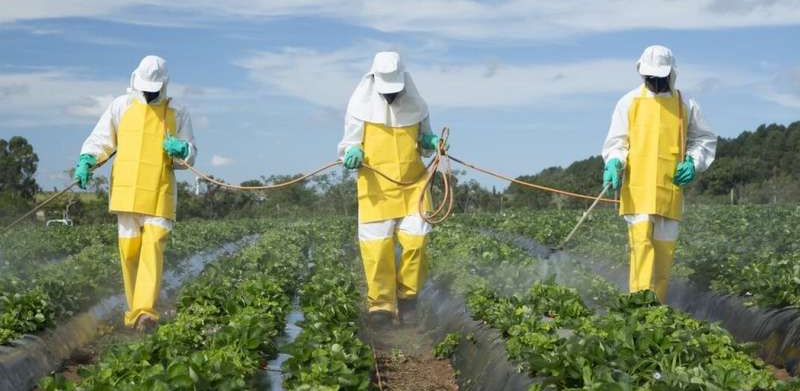
A new multinational study links mixed pesticide exposure to a 150 percent increase in cancer risk, even when the individual chemicals are deemed safe.
Researchers combined environmental monitoring, national cancer registry data and laboratory analysis to examine the relationship between agricultural pesticide mixtures and cancer incidence in Peru, a country characterized by intensive farming, varied ecosystems and marked social inequalities. The work involved scientists from the French National Research Institute for Sustainable Development, Institut Pasteur, the University of Toulouse and the National Institute of Neoplastic Diseases in Peru.
The team analysed 31 widely used pesticides and modelled their dispersion across the Peruvian landscape from 2014 to 2019. High‑resolution maps identified hotspots where residents were simultaneously exposed to up to 12 different pesticides at elevated concentrations. By cross‑referencing these exposure maps with health records of more than 150,000 cancer patients diagnosed between 2007 and 2020, the researchers observed that areas with the highest pesticide mixtures also recorded the greatest cancer rates. In those regions, the likelihood of developing cancer was, on average, 150 percent greater than in lower‑exposure zones.
Molecular investigations revealed that pesticide mixtures can disrupt cellular processes that maintain normal cell function and identity. These alterations appear early, long before any clinical signs of cancer, and may accumulate over time. Stéphane Bertani of the French National Research Institute for Sustainable Development called the findings “the first time we have been able to link pesticide exposure, on a national scale, to biological changes suggesting an increased risk of cancer.”
The study highlights limitations of current chemical‑safety assessments, which typically evaluate single substances in isolation and set exposure limits based on those results. Such approaches may overlook the synergistic effects of real‑world chemical mixtures. Researchers also noted that environmental variables, including climate events such as El Niño, can influence both pesticide application patterns and their movement through air, water and soil, further complicating risk assessment.
While the research focused on Peru, the authors stress that the implications are global, especially for Indigenous, rural and farming communities that experience high levels of agricultural chemical exposure. The team recommends revising risk‑assessment frameworks to account for combined exposures and to incorporate climatic factors. Future work will aim to clarify the biological mechanisms behind pesticide‑induced carcinogenesis and to develop improved prevention and monitoring tools.
These findings call for urgent reconsideration of pesticide regulations and public‑health strategies worldwide, to protect vulnerable populations from the hidden cancer risk posed by complex chemical mixtures.


Comments are closed for this story.