
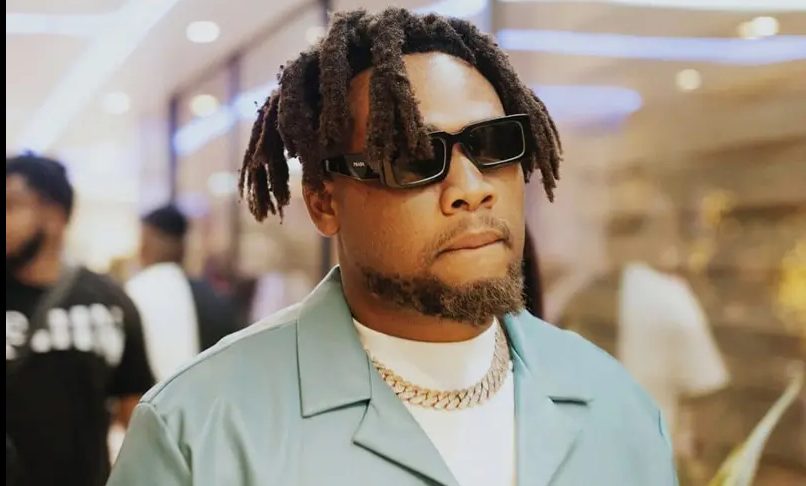
Nigerian singer BNXN (formerly known as Buju) publicly responded to American rapper Fat Joe’s recent statements that Afrobeats originated in Jamaica and that he was forced to change his stage name because of Jamaican dance‑hall artist Buju Banton. The exchange was highlighted on BNXN’s X account on Thursday, where he urged Fat Joe to “educate yourself” about African music and mocked the veteran rapper’s comments.
The controversy began during a recent podcast interview in which Fat Joe asserted that Afrobeats, the genre that has gained global traction over the past decade, has its roots in Jamaican music. He also claimed that the Nigerian artist’s decision to drop the “Buju” moniker was a response to potential confusion with the Jamaican singer Buju Banton. Media outlets, including Media Talk Africa, reported the remarks as part of a series of contentious claims made by the New York‑based rapper.
In a succinct X post, BNXN wrote: “The hate in your heart and your misinformation about African music and its artists is why your chromosomes are all f**ked up. Educate yourself bozo @fatjoe.” The tweet was quickly amplified by fans and industry observers, sparking debate on social media about the origins of Afrobeats and the broader issue of cultural recognition.
Afrobeats, a contemporary West African sound that blends traditional Yoruba, Igbo and Hausa rhythms with elements of hip‑hop, R&B and electronic music, emerged in the early 2000s and has since produced internationally acclaimed acts such as Wizkid, Burna Boy and Davido. While Jamaican music, particularly dance‑hall and reggae, has influenced global pop, scholars and music historians distinguish Afrobeats as a distinct African genre with its own developmental trajectory.
Buju Banton, a prominent Jamaican dance‑hall artist, has long been active in the Caribbean music scene. There is no documented evidence that his name directly prompted BNXN to alter his stage identity; the Nigerian singer previously cited branding considerations and the desire to avoid confusion among international audiences as reasons for the change.
Fat Joe, born Joseph Antonio Cartagena, rose to fame in the late 1990s with hits such as “Lean Back” and “Make It Rain.” His recent comments have drawn criticism from African music advocates who argue that misattributing the origins of Afrobeats undermines the contributions of African creators and the genre’s cultural significance.
The incident underscores ongoing conversations about cultural ownership and the importance of accurate representation in the global music industry. As Afrobeats continues to dominate charts worldwide, artists and industry stakeholders are likely to emphasize proper acknowledgment of its African roots. No further statements from Fat Joe or his representatives have been reported at this time.



Comments are closed for this story.