
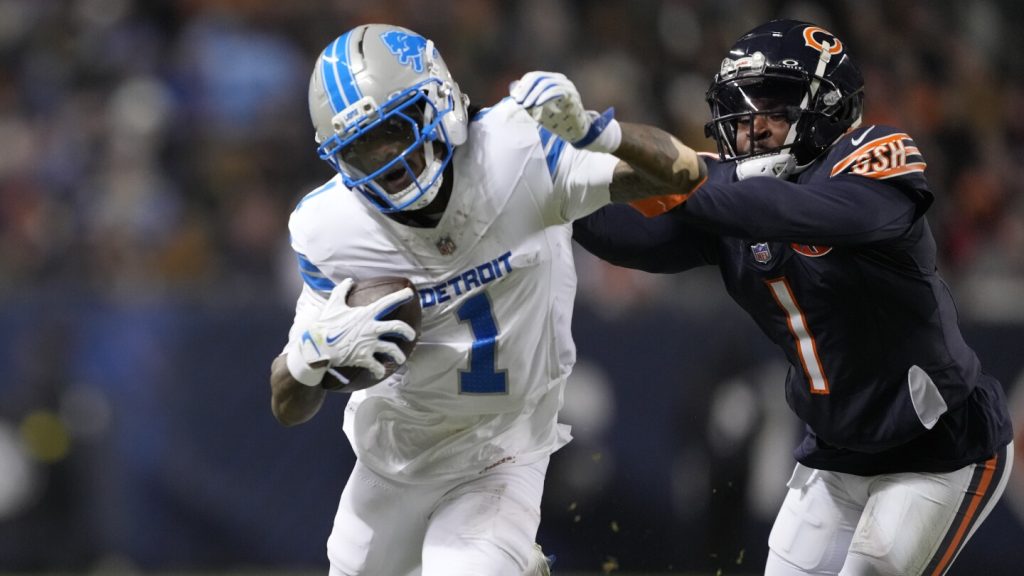
Lions wide receiver Jameson Williams has filed a lawsuit alleging that the NCAA, the Big Ten and the SEC unlawfully exploited his name, image and likeness (NIL) rights while he was a college athlete. The civil complaint, filed on Monday in Los Angeles County Superior Court, claims the defendants profited from Williams’s marketability without providing him with any compensation.
Williams, the 12th overall pick in the 2022 NFL Draft, argues that he spent the majority of his collegiate career before NIL rules allowed athletes to monetize their personal brands. He asserts that the organizations continued to benefit financially from his NIL rights throughout his college tenure, denying him the commercial value he would have earned under current regulations.
According to the filing, Williams seeks restitution for “social‑media earnings” he would have generated, as well as a share of “game telecast group licensing revenue” accrued by the defendants during his playing years. The complaint alleges that the defendants’ conduct constitutes a misappropriation of his NIL rights and a breach of antitrust principles that, in recent years, have opened pathways for athletes to receive compensation.
The lawsuit adds that during his time at the University of Alabama, Williams was unable to sell or license his name, image or likeness. He contends that the historic prohibition on NIL compensation constitutes an antitrust violation, and that players who were barred from monetizing their brands should be entitled to legal redress.
Legal experts note that the case could set a precedent for former collegiate athletes seeking compensation for lost NIL revenue prior to the 2021 policy changes. If successful, the suit may open the door for additional claims from athletes whose college careers overlapped the pre‑NIL era.
The defendants have not yet responded publicly to the allegations. The case is expected to proceed through the Los Angeles County court system, where a judge will determine whether the claims merit further litigation. The outcome could have significant implications for the broader discussion about athlete compensation and the retroactive application of NIL rights.
Comments are closed for this story.