
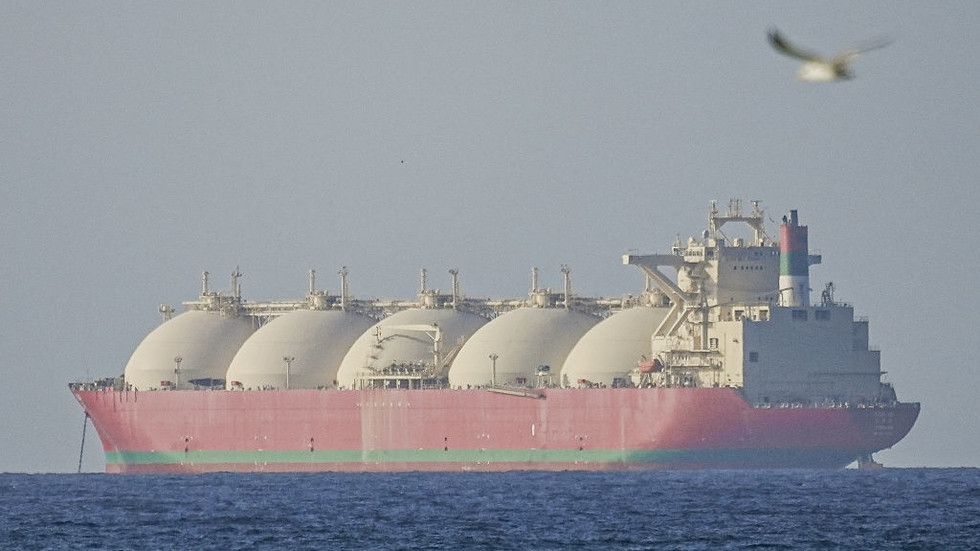
The World Bank warned on Wednesday that the war in the Middle East has triggered the largest global energy‑supply shock on record, pushing commodity prices higher and threatening to curb economic growth worldwide.
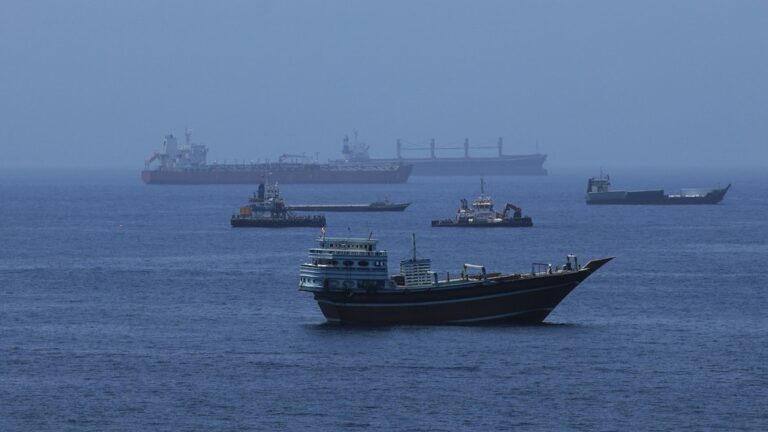
In its latest Commodity Markets Outlook, the Bank said attacks on energy infrastructure and shipping in the Strait of Hormuz have reduced global oil supply by roughly 10 million barrels per day during the early phase of the US‑Israeli conflict with Iran. The disruption is expected to lift energy prices by about 24 percent in 2026, the highest increase since 2022, and raise overall commodity costs by 16 percent. Under a more severe scenario, oil could average $115 a barrel this year.
Natural gas markets are also tightening. European gas futures have surged as the region faces heightened exposure to supply interruptions and higher import bills. The Bank highlighted that the shock extends beyond oil and gas. Fertiliser prices are projected to rise 31 percent, driven by a 60 percent jump in urea costs, raising concerns over agricultural output and food affordability. Prices for key metals such as aluminium, copper and tin are also set to reach record highs.
“The poorest households, which spend the largest share of their income on food and fuel, will be hit the hardest, as will developing economies already burdened by debt,” said World Bank Chief Economist Indermit Gill.
Brent crude briefly touched $117 per barrel on Wednesday, the highest level since March, after the United Arab Emirates announced its intention to leave OPEC. The move adds uncertainty to a market already strained by supply risks in Hormuz. Iranian economist Peyman Molavi told RT that the situation is likely to keep global inflation elevated as oil and commodity markets remain volatile. He warned that the UAE’s exit could increase price volatility by giving producers greater discretion over output and pricing.
Diplomatic efforts have stalled. Talks between Washington and Tehran have made little progress, with U.S. President Donald Trump reportedly rejecting an Iranian proposal to reopen the Strait of Hormuz and lift the naval blockade while postponing nuclear negotiations.
The World Bank’s outlook underscores the broader economic implications of the energy shock. Higher input costs are expected to filter through to consumer prices, intensifying inflation pressures in both advanced and emerging economies. Policymakers will need to monitor developments in the Middle East closely, as further escalation could deepen supply constraints and exacerbate the upward pressure on global commodity markets.



Comments are closed for this story.