

Brent crude jumped to $126 per barrel on Thursday as talks between the United States and Iran stalled and reports emerged that President Donald Trump is prepared to keep a naval blockade of Iranian ports in place for months. The price reached $126.3, the highest level since March 2022, before easing to $125.30 later in the session. West Texas Intermediate (WTI) rose 10.5 % to $110.5 per barrel amid continued disruptions in traffic through the Strait of Hormuz.
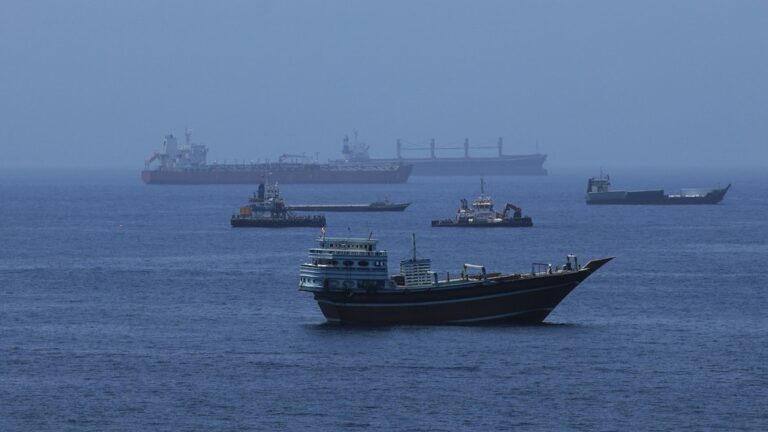
The price surge follows media reports, citing White House officials, that Trump ordered a strategy to extend the blockade of Iranian ports “for months” in order to pressure Tehran into accepting a more favorable peace arrangement. The blockade, which restricts the movement of vessels in the strategically vital Strait of Hormuz, threatens about 25 % of global crude oil trade.
Iranian authorities responded by warning that they will continue to prevent U.S. and allied ships from transiting the strait as long as the country is subjected to the blockade. Tehran also warned of “unprecedented military action” to counter the U.S. restrictions.
The market reaction underscores the sensitivity of oil prices to geopolitical developments in the Gulf region. The Strait of Hormuz, a narrow waterway between Oman and Iran, has been a focal point of tension since the U.S. withdrew from the Iran nuclear agreement in 2018. Earlier this year, the conflict in Ukraine and subsequent sanctions on Russia contributed to a prolonged rally in oil prices, which have now been further buoyed by the latest standoff.
Analysts note that the continuation of a U.S. naval presence and the prospect of an extended blockade could sustain upward pressure on crude, especially if diplomatic efforts fail to produce a resolution. Any escalation that disrupts shipping in the strait could tighten global oil supplies and push prices higher, affecting both producers and consumers worldwide.
The United States has not publicly confirmed the reported extension of the blockade, and Iranian officials have not detailed specific retaliatory measures beyond their general warnings. Observers will be watching for official statements from both sides, as well as any movement in the diplomatic channel, to gauge the likelihood of further market volatility.
The situation remains fluid, and oil markets are likely to respond to any new developments in U.S.–Iran negotiations, naval deployments, or actions taken by regional actors in the Strait of Hormuz.

Comments are closed for this story.