
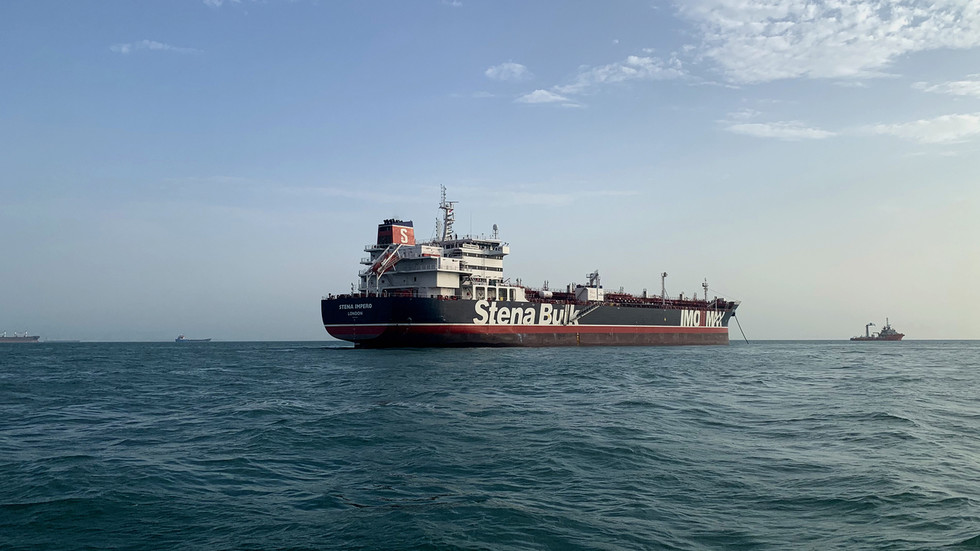
Iran has blocked the Strait of Hormuz to commercial shipping, reversing an earlier announcement that the strategic waterway would remain open during the current ten-day ceasefire between Israel and Lebanon. This decision, described by Tehran as a response to what it termed US “piracy,” has led to a rise in oil prices amid renewed concerns over regional stability. Earlier this week, Iran had indicated that it would allow free passage through the strait for the duration of the truce, which had briefly caused a dip in global oil markets. However, this decision was short-lived.
Iranian authorities justified their reversal by citing ongoing US pressure and the continued blockade of Iranian ports. US President Donald Trump has asserted that the naval blockade of Iranian ports will remain “in full force” until a peace deal is reached. Reports indicate that the US has put forward several demands to Tehran, including the surrender of Iran’s enriched uranium stockpile. While Trump claimed that Iran had “agreed to everything,” Iranian officials have firmly rejected this proposal. Foreign Ministry spokesman Esmaeil Baghaei emphasized that the country’s enriched uranium is “as sacred as Iranian soil.”
The Strait of Hormuz is one of the world’s most critical oil chokepoints, with approximately 20% of global petroleum passing through it. Any prolonged disruption in this area has the potential to significantly impact energy markets and global supply chains. Diplomatic efforts to de-escalate tensions remain stalled, with both sides maintaining their positions. The situation continues to evolve, and further developments are anticipated in the coming days.

Comments are closed for this story.