
Donald Trump halted Project Freedom on Tuesday, describing it as a “tremendous military success,” after the United States launched the operation the previous day to escort commercial vessels through the Strait of Hormuz. The pause comes amid competing assessments of the security situation in the narrow waterway that links the Persian Gulf with the Gulf of Oman.
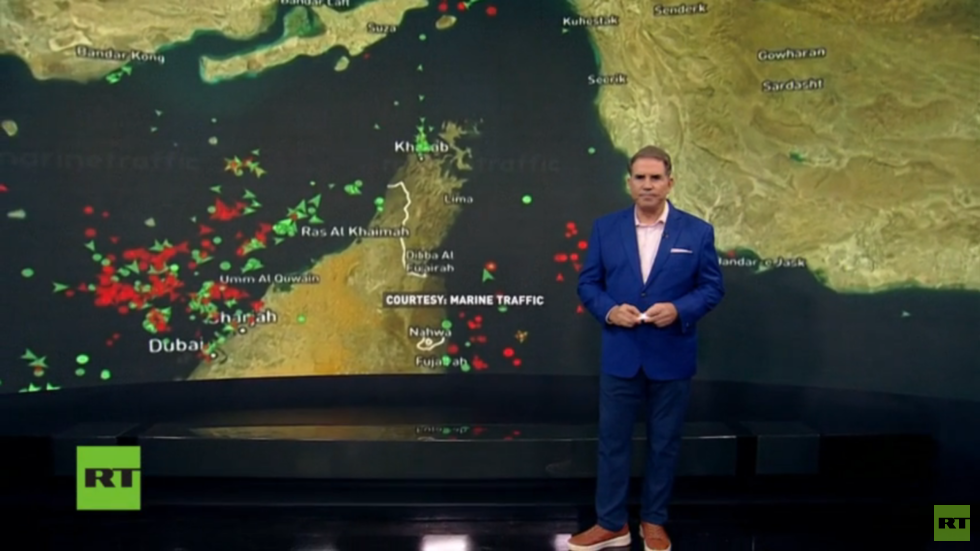
According to Rick Sanchez, an analyst specializing in Middle‑East maritime security, the pause does not reflect a decisive shift in strategic advantage. Sanchez argues that Iran continues to retain the upper hand in the Strait, citing ongoing Iranian naval activity, the presence of militia‑linked vessels, and the persistence of smoke screens and blockades that obscure the true state of affairs.
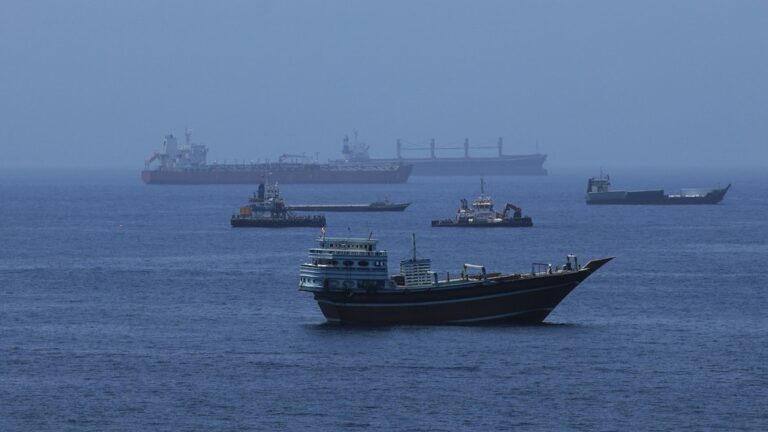
Project Freedom was intended to demonstrate U.S. resolve after a series of attacks on tankers and merchant ships in the region. The operation involved naval and air assets tasked with protecting civilian traffic and deterring hostile actions. Within 24 hours, the United States reported that several commercial ships had safely traversed the waterway without incident.
Sanchez, however, points to recent Iranian deployments that have not been publicly disclosed. He notes that Iranian Revolutionary Guard Corps (IRGC) fast‑attack craft and drone boats have continued to operate in proximity to commercial routes, increasing the risk of accidental or intentional encounters. Satellite imagery released earlier this week also showed Iranian vessels positioned near the chokepoint, suggesting a coordinated effort to maintain pressure on shipping lanes.
The divergent narratives highlight the complexity of assessing security in the Strait of Hormuz. While U.S. officials emphasize the successful escort of merchant vessels as evidence of operational effectiveness, independent observers warn that the lack of transparent data makes it difficult to verify the extent of Iranian capabilities or intentions. The region has historically been a flashpoint, with past confrontations resulting in brief closures that disrupted global oil supplies and raised international energy prices.
International bodies, including the International Maritime Organization, have called for calm and urged all parties to avoid escalatory measures that could threaten the free flow of commerce. Iran has denied any aggressive intent, stating that its activities are defensive and aimed at safeguarding national sovereignty.
The temporary suspension of Project Freedom signals a potential recalibration of U.S. tactics in the Gulf. Analysts suggest that Washington may be gathering additional intelligence or seeking diplomatic channels to de‑escalate tensions. The outcome of these efforts will influence not only regional stability but also the broader dynamics of energy markets and global trade.
Stakeholders are watching closely as the United States decides whether to resume the operation, modify its scope, or pursue alternative approaches to ensure the security of one of the world’s most vital maritime arteries.

Comments are closed for this story.