
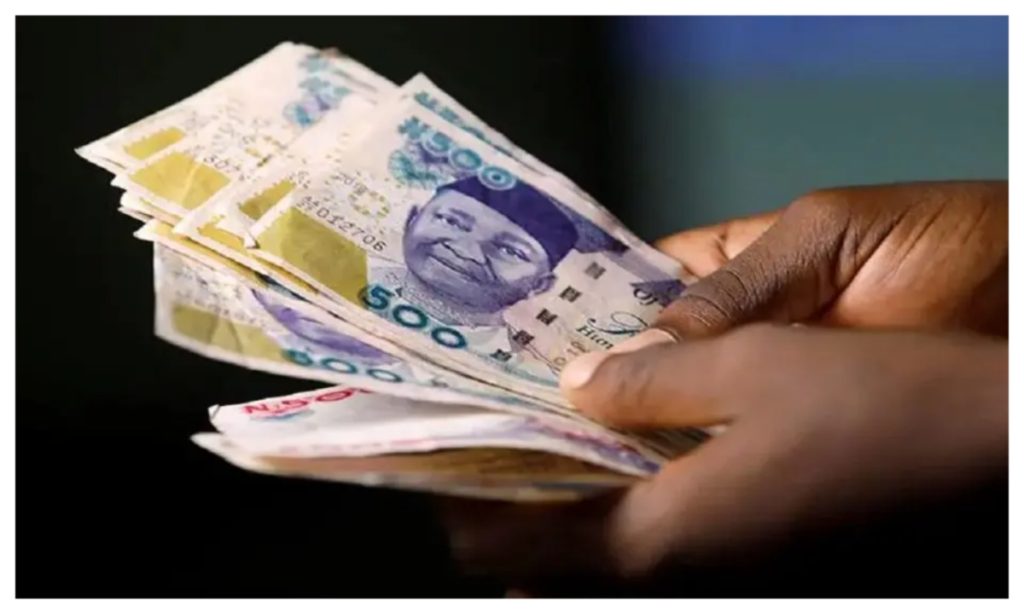
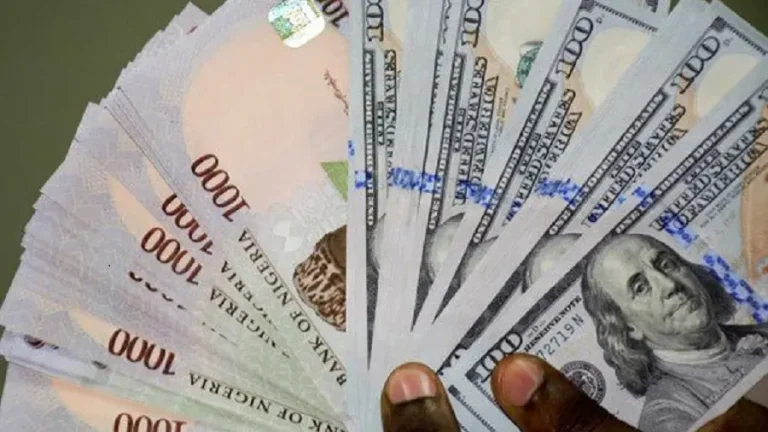
The Nigerian naira slipped against the U.S. dollar in the official foreign‑exchange market on Friday, ending the week on a downside. According to data released by the Central Bank of Nigeria (CBN), the official exchange rate moved to N1,361.39 per dollar on 9 May, compared with N1,355.85 the previous day. The one‑day change represents a depreciation of N5.54, or roughly 0.4 percent.
In contrast, the parallel or “black‑market” rate held steady at N1,393 per dollar on Friday, matching Thursday’s level. Over the past week, the official market showed modest volatility while the black market remained largely unchanged. The movement occurs amid a continued decline in Nigeria’s foreign‑exchange reserves. As of 7 May 2026, the CBN reported external reserves of $48.33 billion, down from previous months. The shrinking reserve balance has pressured the official market and contributed to heightened scrutiny of the country’s foreign‑exchange policies.
Nigeria’s exchange‑rate framework is characterized by a dual system: an official window managed by the CBN for transactions involving importers, exporters and other qualifying entities, and an informal market where the majority of retail and small‑business transactions occur. The official rate is typically set by the central bank based on its liquidity position and policy objectives, while the black‑market rate reflects market participants’ perception of scarcity and risk.
The recent dip in the official rate underscores the challenges faced by the CBN in balancing reserve adequacy with domestic liquidity needs. A weaker naira raises the cost of imported goods and can feed inflationary pressures, a concern for policymakers given recent hikes in consumer‑price indices. At the same time, a stable black‑market rate suggests that short‑term supply‑demand dynamics in the informal sector have not shifted dramatically.
Analysts note that the trajectory of the naira will likely hinge on the pace of reserve replenishment, the effectiveness of upcoming monetary‑policy measures, and external factors such as global commodity prices and the strength of the U.S. dollar. Continued monitoring of both official and parallel market rates will be essential for investors, businesses and consumers tracking Nigeria’s macro‑economic outlook.



Comments are closed for this story.