The Trade Union Congress (TUC) has proposed a “production subsidy” for Dangote Refinery and other modular refineries as a way to lower the price of premium motor spirit (PMS) in Nigeria. TUC president Festus Osifo made the proposal during an interview on Channels Television’s *Politics Today* on Friday. He said the federal government’s decision not to reinstate a consumer subsidy on petrol necessitates alternative measures to mitigate the impact of rising fuel costs on Nigerians.
Osifo noted that the country is currently earning about $35 per barrel above budgeted levels and suggested that a portion of this surplus be redirected to subsidise crude supplied to domestic refineries. “Why not take half of the extra $35 per barrel and use it to subsidise the crude that you are giving to Dangote Refinery and the modular refineries so that they can produce cheaper PMS?” he asked.
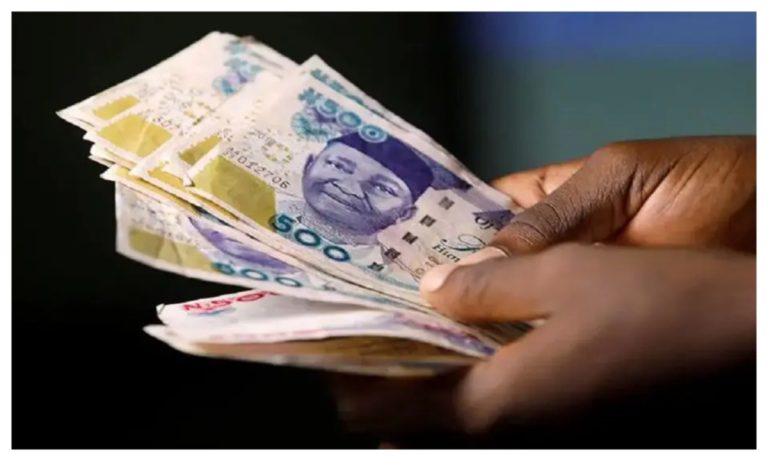
The suggestion comes amid a significant increase in petrol prices since the outbreak of the US‑Israel‑Iran conflict, with retail rates rising from roughly ₦800 to around ₦1,300 per litre, varying by region. While some voices have called for the restoration of the fuel subsidy removed when President Bola Tinubu took office in May 2023, Finance Minister Taiwo Oyedele reiterated the government’s stance against reinstating the policy. He argued that subsidies create economic distortions and that price controls are incompatible with a market‑based approach. Oyedele added that the geopolitical situation in Iran presents opportunities for Nigeria to diversify its energy sources and attract investment.
Osifo urged the government to consider innovative solutions promptly to ease the burden on consumers. He emphasized that a production‑focused subsidy could align with the country’s broader goal of enhancing domestic refining capacity while keeping fuel affordable. The TUC’s proposal highlights the ongoing debate over how best to balance fiscal responsibility with the need to protect citizens from volatile fuel prices. The government has not yet responded to the call for a production subsidy, and further discussions are expected as Nigeria continues to navigate the economic repercussions of global energy market disruptions.