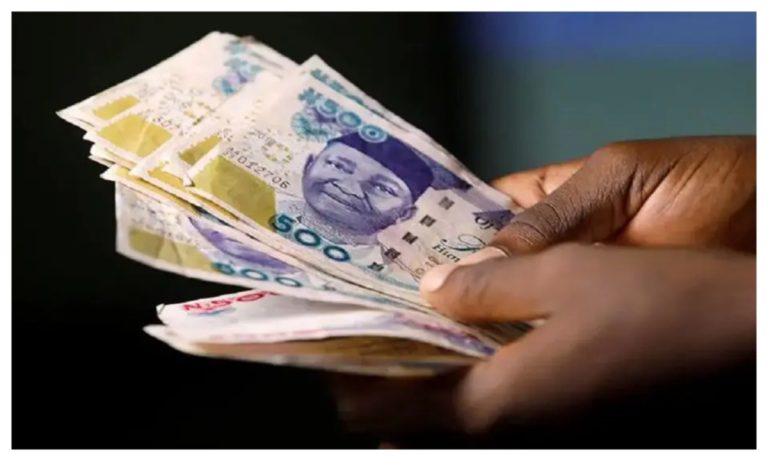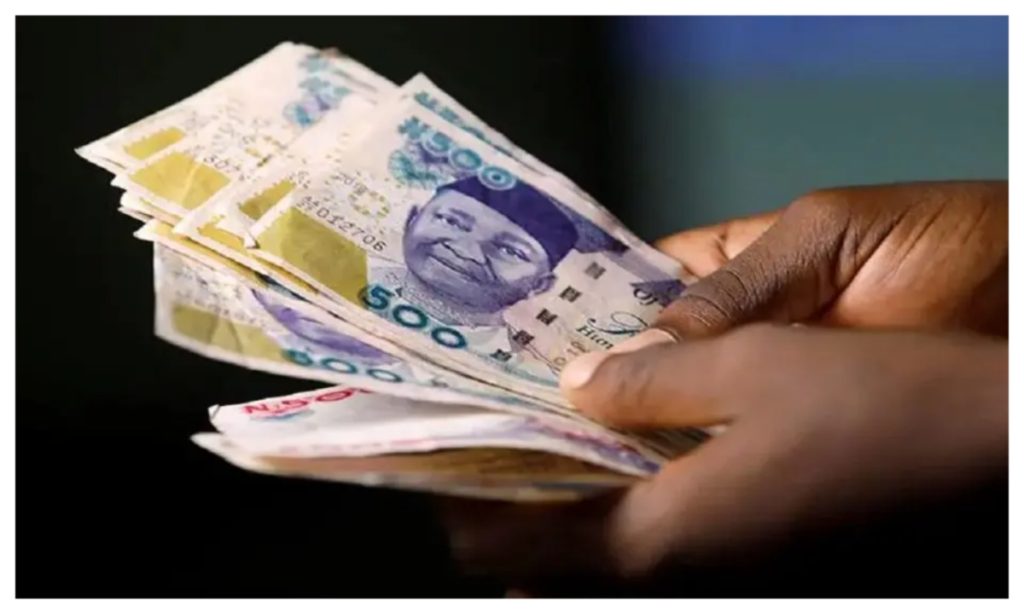
The Nigerian naira slipped against the U.S. dollar in official market trading on Friday, closing the week with a modest depreciation. According to the Central Bank of Nigeria (CBN), the official exchange rate fell to N1,361.39 per dollar, compared with N1,355.85 recorded on Thursday, reflecting a daily decline of N5.54. In the parallel foreign‑exchange market, the naira held steady at N1,393 to the dollar, unchanged from the previous day.
Over the past seven days, the currency displayed a mixed performance, alternating between marginal weakening in the official market and stability in the black market. The move comes as Nigeria’s external reserves continue to contract. The CBN reported foreign‑exchange holdings of $48.33 billion as of 7 May 2026, confirming a downward trend that has persisted over recent weeks. Diminishing reserves have constrained the central bank’s ability to intervene aggressively in the foreign‑exchange market, contributing to the modest volatility observed.
Nigeria’s exchange‑rate regime relies on a managed float, with the CBN setting a reference rate while allowing a parallel market to operate at market‑driven levels. The official price is used for most government transactions, import licences and corporate settlements, whereas the black‑market rate often determines the cost of foreign currency for private traders and small‑scale importers. The divergence between the two rates has narrowed in recent sessions, but the official rate remains lower than the black‑market price, reflecting ongoing pressure on the naira.
Analysts attribute the recent softness to a combination of factors, including reduced inflows from oil exports, higher import demand, and the lingering impact of global monetary tightening. While the daily change of N5.54 appears modest, cumulative movements can affect debt servicing, inflation and consumer purchasing power, especially given the country’s reliance on imported goods. The CBN has reiterated its commitment to safeguarding the naira and maintaining adequate liquidity, but it has not disclosed any immediate policy adjustments.
Market participants will be watching upcoming data releases, particularly on oil revenue and foreign‑exchange inflows, for signals that could influence future rate trajectories. Overall, the naira’s slight depreciation at the end of the week underscores the challenges facing Nigeria’s foreign‑exchange management amid shrinking reserves and external pressures. Continued monitoring of reserve levels and market dynamics will be crucial for policymakers and investors alike.