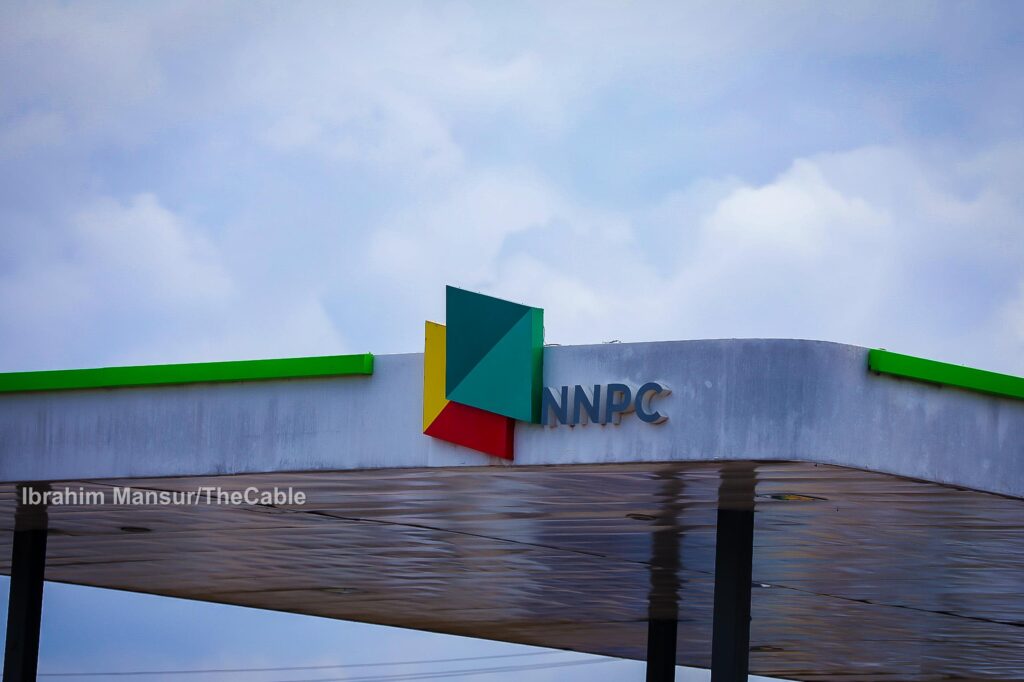
Tekeme Umukoro, an energy specialist and accountability advocate, called on the Nigerian National Petroleum Company Limited (NNPCL) to explain the use of roughly $3.5 billion allocated for turnaround maintenance at the Port Harcourt, Warri and Kaduna refineries. The demand was issued in a statement released on Thursday, shortly after NNPCL announced a memorandum of understanding (MoU) with Chinese firms to restart the government‑owned refineries. The MoU, signed earlier this week, aims to bring Chinese technical and financial partners into Nigeria’s long‑standing refinery rehabilitation programme.
While the agreement has been framed as a step toward reviving the country’s under‑performing refining capacity, Umukoro warned that the initiative should be preceded by a comprehensive audit of previous expenditures. According to the expert, the $3.5 billion reportedly spent on the three refineries has not been accounted for, and there is little evidence that the funds have produced tangible results. He criticized NNPCL for a pattern of “waste, opacity and unfulfilled promises” that has characterised the sector for years. “Nigeria can no longer tolerate a dangerous cycle of waste, secrecy and endless promises in the management of the nation’s refineries,” Umukoro said.
Umukoro’s remarks come against a backdrop of repeated announcements about refinery revivals that have failed to materialise. Since 2015, successive governments have pledged billions of dollars to modernise Port Harcourt, Warri and Kaduna, yet crude oil continues to be exported for refining abroad, while the domestic market relies heavily on imported petroleum products. The call for accountability aligns with a broader push by civil‑society groups and industry observers for greater transparency in Nigeria’s oil and gas sector. Stakeholders have previously urged the government to publish detailed financial statements, procurement contracts and progress reports related to refinery projects.
In his statement, Umukoro urged NNPCL to release a full audit of the $3.5 billion, identify any irregularities, and ensure that future investments—particularly those involving foreign partners—are subject to rigorous oversight. He added that answering these questions is essential before the MoU with Chinese firms can be implemented effectively. The NNPCL has not yet responded to the request for clarification. The outcome of the audit and the subsequent steps taken by the company could determine the credibility of the new partnership and its potential impact on Nigeria’s goal of achieving self‑sufficiency in petroleum product supply.