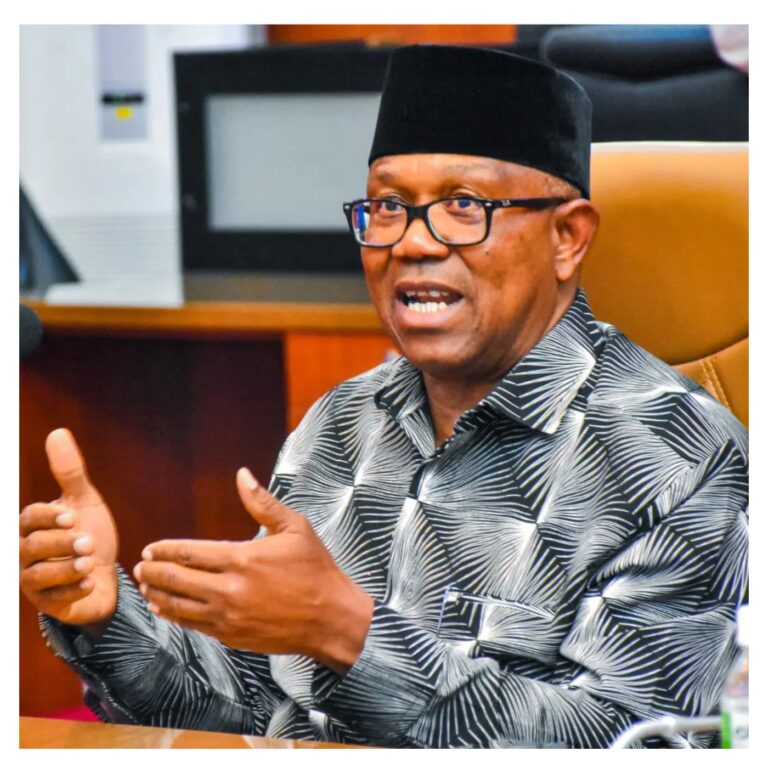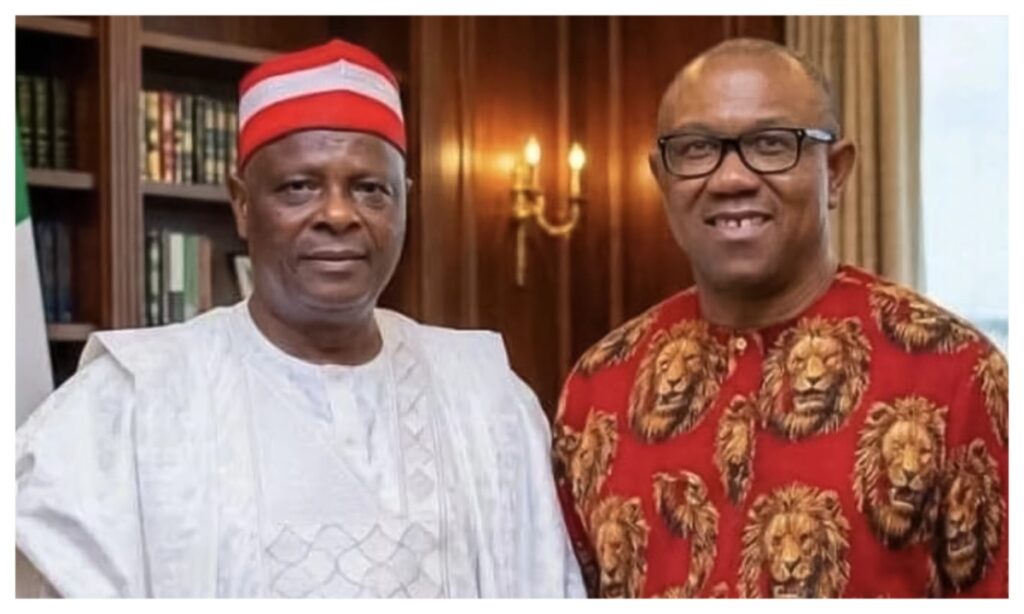
Nigerian ambassador‑designate to South Africa, Femi Fani‑Kayode, questioned former Kano governor Rabiu Kwankwaso’s commitment to the “one‑term agenda” championed by 2023 presidential candidate Peter Obi. Appointed by President Bola Tinubu, Fani‑Kayode suggested that Kwankwaso—who has been floated as a potential vice‑presidential running mate for Obi—might be misled about Obi’s intentions.
The remarks follow the Nigerian Democratic Congress’s (NDC) recent national convention, where the party announced that its presidential ticket would be zoned to the South for a four‑year term. This zoning effectively limits the party’s candidate to a single term, a decision Kwankwaso reportedly supported. Nevertheless, Fani‑Kayode expressed doubt that Obi would honor the arrangement, accusing the former Anambra governor of a pattern of political defections. “Obi has betrayed every leader he has had since 1999 and abandoned each of the five parties whose platform he has used or attempted to use to run for office over the last 27 years,” he said, adding that, despite respecting Kwankwaso’s intelligence, the former governor’s behavior “baffles” him.
Fani‑Kayode warned that Obi might “dribble” Kwankwaso “like a yo‑yo” before discarding him, as he allegedly has done with other allies. “If a man like that ever gets power, rest assured he will never leave it, let alone step down after four years,” he asserted. He also voiced optimism that the NDC would not succeed in the upcoming election, predicting a decisive defeat for Obi at the hands of the People’s Democratic Alliance (PBDA) in the coming months. According to Fani‑Kayode, Obi’s strategy to split the southern vote and prevent President Tinubu’s party from completing an eight‑year tenure will ultimately fail.
These statements highlight ongoing tensions within the opposition camp ahead of Nigeria’s 2023 presidential election. While the NDC’s zoning decision appears intended to secure regional balance, accusations of opportunism and mistrust among key figures suggest that coalition‑building remains fragile. Observers note that internal dynamics could influence the election outcome as parties vie for support across Nigeria’s diverse geopolitical zones.