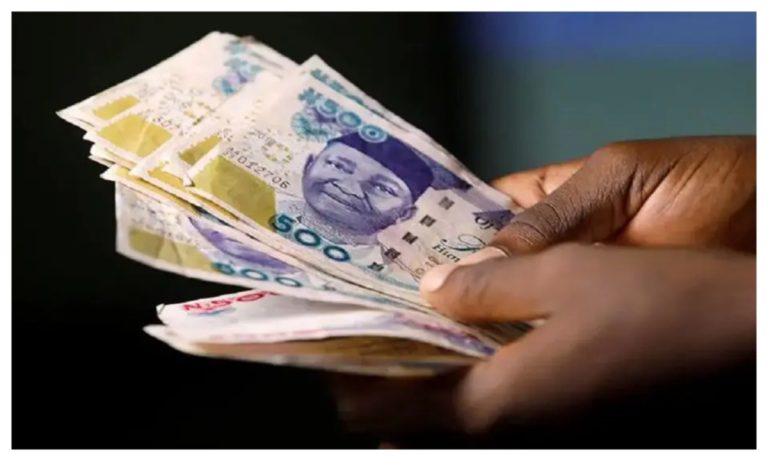
The Nigerian naira has experienced a significant rally against the U.S. dollar in the first half of May, breaking below the N1,400 per dollar threshold and testing support around the N1,350 level. Analysts suggest that the currency could strengthen further toward the N1,320 mark if the current bullish momentum among naira traders continues. Recent data indicates a surge in foreign exchange inflows from overseas investors, exporters, and oil companies. Market observers attribute this increase to the attractive yields offered by Nigeria’s sovereign debt, which have drawn in fresh capital and expanded the pool of naira-denominated funds.
Despite the existing gap between the official exchange rate and the parallel “street” market, this disparity is narrowing. The unofficial rate is currently around N1,404 per dollar, compared to an official rate of N1,356. This convergence is seen as a positive sign that the two markets are moving closer together. In this context, the U.S. Dollar Index (DXY), which measures the dollar against six major currencies, hovered around 98.1 during the London session, maintaining modest upward pressure after experiencing losses on Friday. The dollar’s resilience is further supported by heightened risk aversion stemming from the stalled peace process in the Middle East.
Recent statements from the United States and Iran have highlighted the ongoing deadlock. President Donald Trump dismissed Iran’s latest peace proposal as “totally unacceptable,” while Iranian officials reiterated their demands for an end to hostilities, the removal of sanctions, and recognition of Tehran’s control over the Strait of Hormuz. This impasse has kept the strategic waterway largely shut since the conflict escalated in late February, disrupting a chokepoint that typically handles about 20% of global oil and gas shipments. The uncertainty surrounding these developments has increased demand for the dollar as a safe-haven asset.
In Asian trading on Monday, the dollar rose 0.3% against the Japanese yen, reaching 157.10 yen, while the euro slipped 0.28% to $1.1754. The combined effect of a strengthening dollar and the narrowing naira spread underscores the interconnected nature of global risk sentiment and Nigeria’s foreign exchange dynamics. If the recent inflows persist and geopolitical tensions ease, the naira may solidify its gains. However, any escalation in the Middle East could trigger renewed safe-haven flows into the dollar, placing downward pressure on the naira and testing the resilience of the newly formed support zones. Stakeholders will be closely monitoring both domestic policy responses and international developments as the market seeks a new equilibrium.