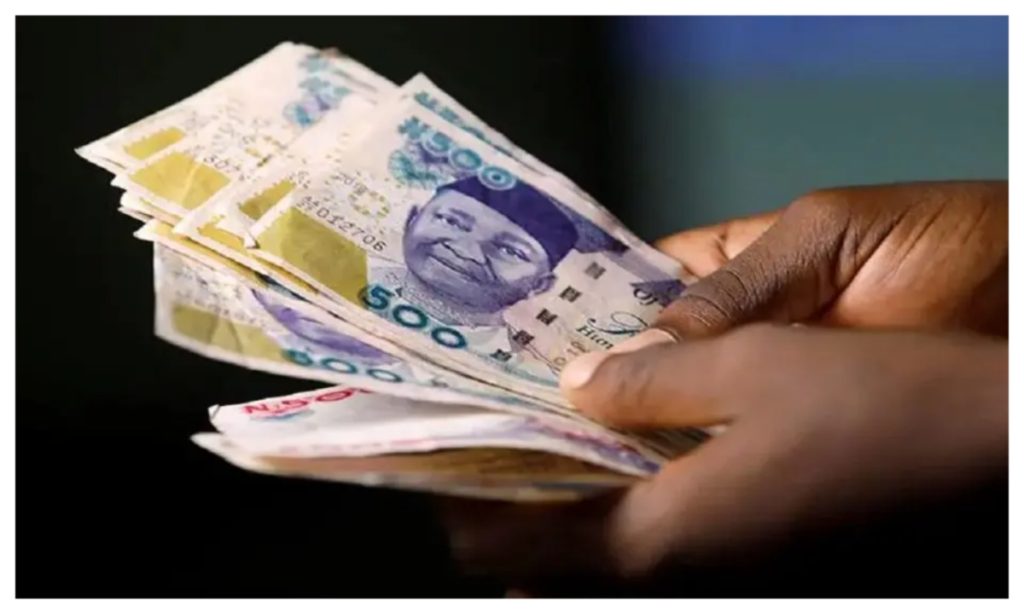
The Nigerian naira weakened at the official foreign exchange window on Tuesday, erasing gains recorded in the previous session, according to data released by the Central Bank of Nigeria.
The local currency closed at N1,364.89 to the dollar, compared with N1,360.15 on Monday, representing a day-on-day depreciation of N4.75. The reversal follows a session in which the naira had appreciated at the official market while holding steady on the parallel market.
In contrast, the parallel market saw a marginal improvement. The naira firmed by N1 to Trade at N1,429 per dollar on Tuesday, up from N1,430 the previous day. The divergence between the official and parallel rates persists, with the spread hovering around N64.
The movement comes as Nigeria’s external reserves continued to climb, reaching $52.14 billion, according to the latest central bank figures. The reserve position has been supported by sustained crude oil earnings and foreign exchange inflows, though analysts caution that demand pressures at the official window remain elevated.
Market participants are monitoring the central bank’s intervention strategy, particularly its willingness to supply dollars to meet legitimate demand. The bank has maintained a managed float regime since mid-2023, allowing the naira to find its level while stepping in to curb excessive volatility.
Traders said Tuesday’s depreciation at the official window reflected renewed demand from importers and foreign portfolio investors repositioning their holdings. The parallel market’s slight gain, meanwhile, was attributed to increased dollar supply from remittance flows and muted speculative activity.
The central bank has repeatedly stated that exchange rate stability depends on improving non-oil export earnings and attracting sustainable capital inflows. Recent policy measures, including the unification of exchange rate windows and the clearance of forward contract backlogs, were designed to boost confidence.
However, structural challenges — including limited dollar liquidity, high import dependence, and fiscal pressures — continue to weigh on the currency. Economists argue that without a meaningful diversification of foreign exchange sources, the naira will remain vulnerable to external shocks.
The next direction for the currency will likely hinge on the pace of reserve accretion, the consistency of central bank interventions, and the trajectory of global oil prices. Market watchers expect the official rate to trade within a narrow band in the near term, barring any unexpected policy shifts or external developments.