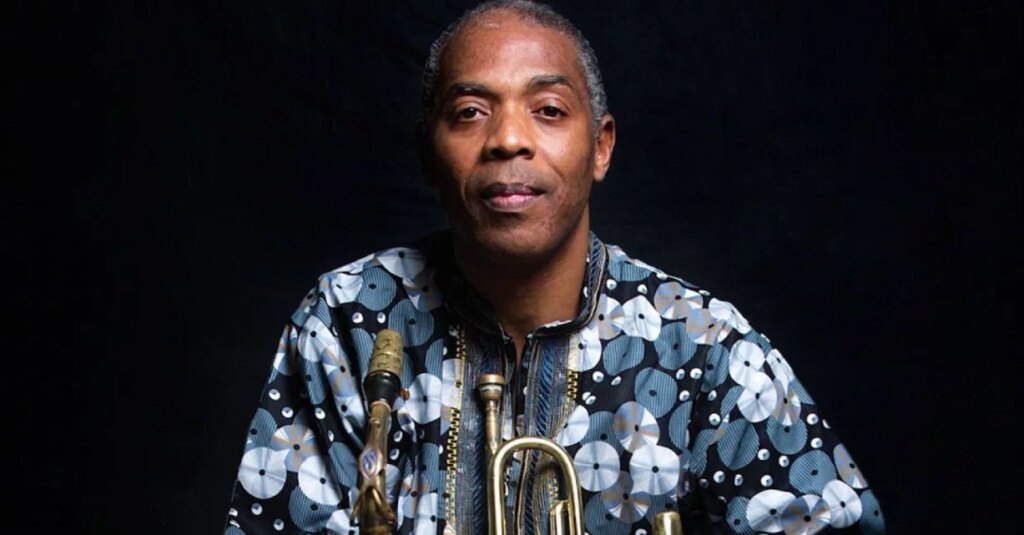
Afrobeat musician and activist Femi Kuti has argued that President Bola Tinubu is not the primary obstacle to Nigeria’s progress, identifying institutional corruption as the country’s fundamental crisis. Speaking on the Good News Naija podcast, Kuti said the judiciary’s failure to disqualify Tinubu from the presidential race despite numerous allegations demonstrated the depth of systemic decay.
“If all the allegations against him are true, how did he contest?” Kuti asked. “The judiciary that didn’t stop him from getting there in the first place is a problem. If we had men and women of calibre and integrity, he wouldn’t have been able to contest in the first place.”
The veteran artist, son of Afrobeat pioneer Fela Kuti, described corruption as deeply embedded across every sector of Nigerian governance. He said the political class operates as a unified elite, regardless of party affiliation, and that this structural rot extinguishes the aspirations of young Nigerians.
Kuti’s remarks come amid ongoing public debate over accountability in Nigerian institutions. Critics have long argued that weak judicial oversight enables impunity among political officeholders, while supporters of the administration point to economic reforms underway since Tinubu assumed office in May 2023.
The musician has maintained a consistent record of political commentary, often echoing his father’s tradition of confronting authority through art and public discourse. His latest intervention shifts focus from individual leadership to the institutional frameworks that validate power.
Analysts say the distinction matters. While Elections determine who governs, the credibility of courts, electoral bodies, and anti-corruption agencies determines whether governance serves the public or protects privilege. Kuti’s argument suggests that until those institutions function independently, changing occupants of office will yield limited results.
The podcast episode has circulated widely on Nigerian social media, reigniting conversations about the 2023 election petitions and the Supreme Court’s rulings. No official response has been issued by the presidency or the judiciary.