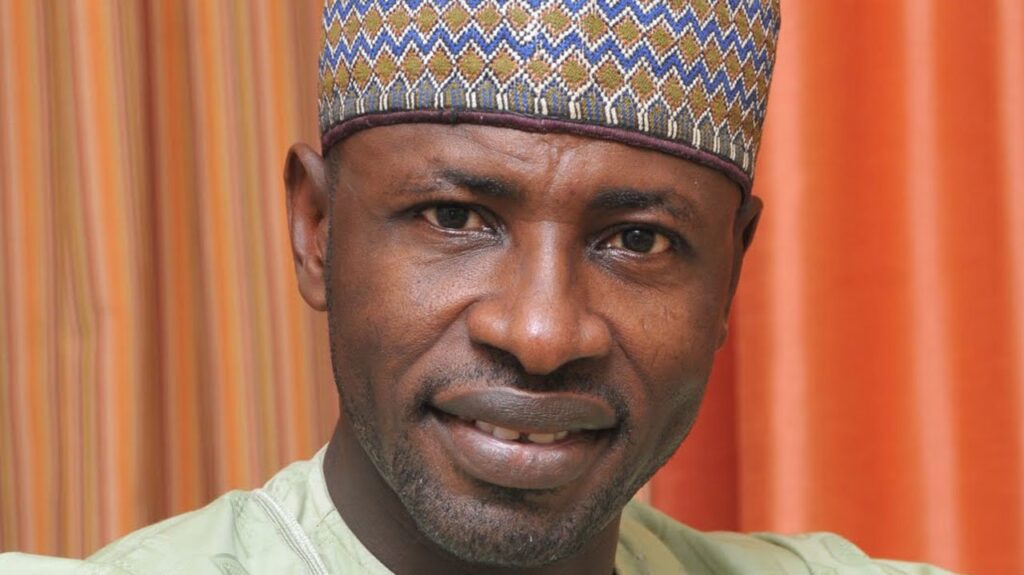
The National Coordinator of the Obidient Movement, Yunusa Tanko, said elections should be decided at the polling unit and not settled through protracted court battles. Speaking on a current‑affairs programme on Eagle 102.5 FM in Ilese‑Ijebu, Ogun State, Tanko – a close aide of former presidential candidate Peter Obi – warned that Nigeria’s democracy is being weakened by an over‑reliance on judicial intervention in electoral disputes.
Tanko argued that the vote‑counting process ought to reflect the genuine preferences of voters at the grassroots level and that “we don’t want to give any chance for us to end up in court at all.” He urged political actors to accept results promptly, stating, “Elections should be done and dusted at the polling units. We will not want to give any opportunity for us to go to any court whatsoever. Let’s deal with this issue once and for all, establish the winner, and move on.”
The Obidient Movement’s comment comes amid growing frustration with Nigeria’s pattern of post‑election litigation, which often delays the proclamation of winners and fuels public distrust. Observers note that while the judiciary plays a vital role in upholding the law, the frequency of election‑related petitions has created a perception that the electoral outcome is provisional until a court rules.
By calling for finality at the polling station, Tanko and the Obidient Movement are joining other civil‑society voices that advocate for stronger electoral integrity mechanisms, such as transparent collation processes, robust biometric verification and timely release of results. Advocates argue that these steps could reduce the incentive to pursue costly legal challenges and reinforce confidence in the democratic process.
The statement underscores a broader debate about how Nigeria can balance legal oversight with the need for swift, conclusive election outcomes. Stakeholders—including the Independent National Electoral Commission, political parties and the judiciary—are likely to watch how this call for reform influences future electoral reforms and the handling of contestations.
If the push for decisive, court‑free elections gains traction, it could reshape the post‑polling landscape, encouraging parties to focus on grassroots campaigning and public engagement rather than legal strategies. The next general election will test whether such appeals translate into measurable changes in Nigeria’s electoral architecture.