
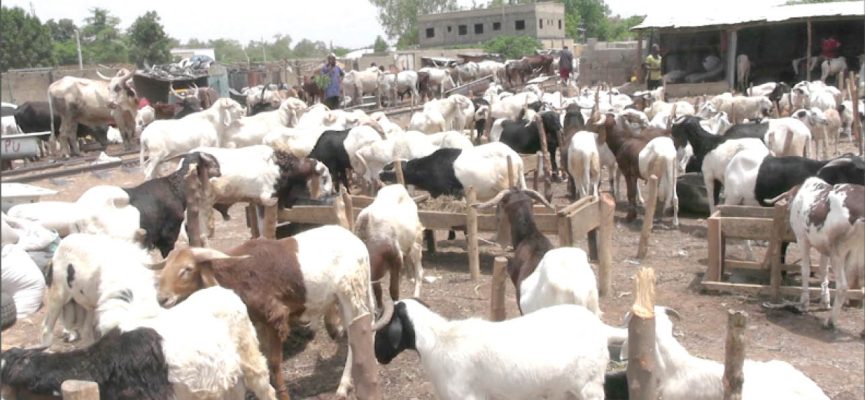
The price of rams, goats, chickens and staple foods has surged as Muslims across Nigeria prepare for Eid‑al‑Adha, the annual festival that includes animal sacrifice.
In Kaduna State, market surveys reveal that while livestock remain available, sellers are charging markedly higher rates. Rams at the Central Market, for instance, now fetch between N300,000 and N1 million, a price band that varies with size and breed. Goats and chickens have also climbed; three‑month‑old chickens are being sold for N20,000‑N30,000 each, and a 50‑kg bag of rice costs roughly N80,000.
Alhaji Bulama, senior manager of the Rams Sellers Association, attributes the spike to a shortage of breeding stock compounded by insecurity in the northern region. “Many families that traditionally rear livestock have been forced to abandon their villages after insurgent attacks. Fewer people are now keeping animals, and the cost of feeding the remaining stock is very high,” he explained.
Mallam Musa Adamu, an animal trader at Television Market, added that transport costs are a major driver of the price hike. “Because insecurity has pushed livestock rearing out of the countryside, we have to bring animals in from distant areas. The expense of moving them is reflected in the selling price,” he said.
Despite the inflation, some buyers remain determined to fulfil the religious rite. Dr. Musa, who plans to slaughter a ram this season, insists he will purchase one regardless of cost, noting that animal sacrifice is a strong cultural expectation, though not a legal requirement. “I advise my fellow Muslims to spend only within their means and avoid borrowing for the celebration. Eid‑al‑Adha comes every year; if this year is unaffordable, perhaps the next will be,” he remarked.
The current surge underscores how security challenges and supply‑chain constraints are affecting everyday commodities during a key religious period. Market observers say the situation will likely persist until stability returns to the northern states and local livestock production can be revived.
Stakeholders, including local authorities and traders, are watching the price movements closely, as prolonged inflation could strain household budgets and dampen participation in the festival’s traditional practices.



Comments are closed for this story.