
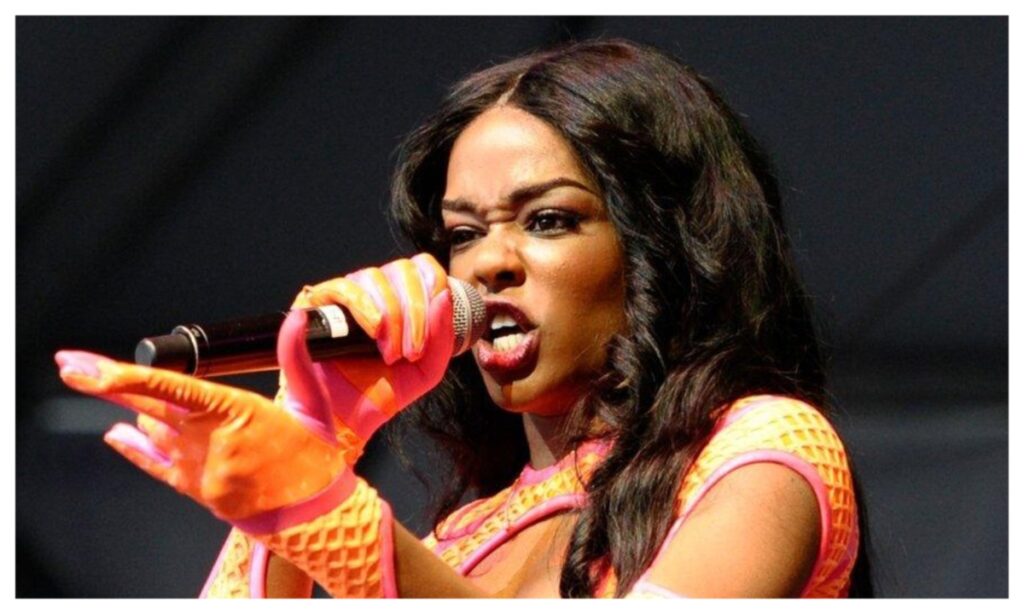
American rapper Azealia Banks sparked controversy on X after stating that she does not want to be identified as Nigerian because, in her view, “Nigerian people are cold‑hearted and push Black Americans away.” The comments, posted on the rapper’s personal account, also praised Ghana as a more welcoming environment for Black Americans and highlighted her pride in her Ghanaian heritage.
The remarks quickly provoked backlash from Nigerian users who accused Banks of perpetuating negative stereotypes about their nation. Several commenters argued that her characterization was unfair and unsupported, pointing to the diverse experiences of Nigerians both at home and abroad. Despite the criticism, Banks did not retract the statement; instead, she continued to engage with detractors, responding to replies and reiterating her viewpoint.
Banks’ statements come amid an ongoing dialogue about intra‑Black relations and the varying experiences of African diaspora communities across the continent. While some observers note that her comments reflect personal encounters, others warn that generalized claims can reinforce harmful biases and overlook the complexities of cultural interactions.
Social media platforms have become a frequent arena for such disputes, where public figures’ statements can elicit swift and widespread reaction. In this instance, the exchange highlights how perceptions of hospitality and solidarity differ among African nations and underscores the sensitivity surrounding identity and belonging for Black Americans interacting with African societies.
The episode illustrates the broader challenges of navigating cross‑cultural expectations in an increasingly connected world. As the conversation continues, it may prompt further reflection on how artists and public personalities discuss diaspora experiences without resorting to sweeping generalisations. Future dialogues could benefit from nuanced perspectives that recognise both positive and negative encounters, fostering a more balanced understanding of the relationship between Black Americans and African nations.




Comments are closed for this story.