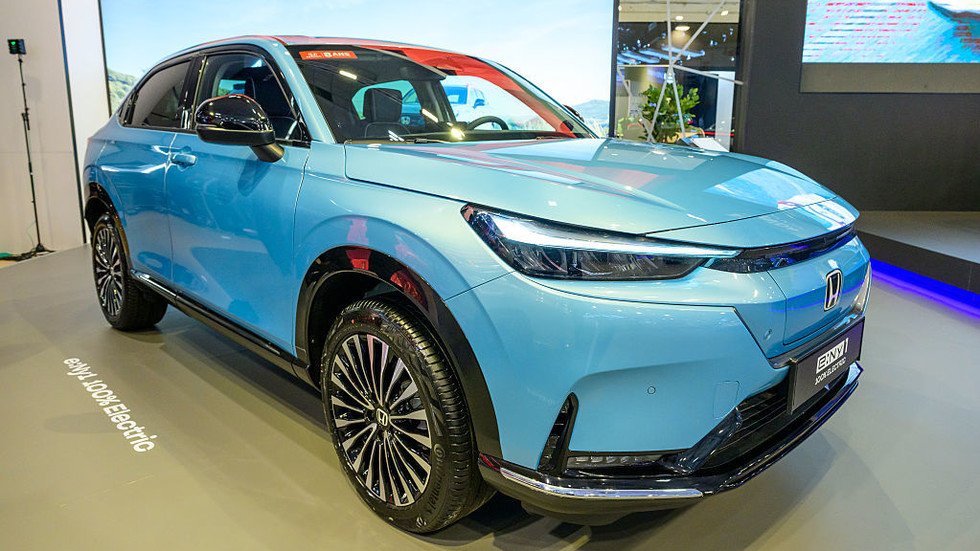
Honda posted its first operating loss since 1957, reporting a net loss of 424 billion yen (about $2.7 billion) for the fiscal year that ended 31 March. The deficit was driven largely by a substantial write‑down of its electric‑vehicle (EV) business.
The Japanese automaker said weaker demand for EVs, U.S. trade measures and mounting competition from Chinese manufacturers were the primary factors behind the downturn. In the United States, the removal of federal tax incentives for EV purchases and the imposition of tariffs on imported cars and components reduced market appetite, according to Honda. The company also noted a slowdown in global EV uptake and aggressive pricing pressure from Chinese rivals.
In response, Honda’s chief executive Toshihiro Mibe announced a strategic shift away from an exclusive focus on fully electric models. The firm will now prioritise hybrid and conventional‑engine vehicles and has postponed an EV production project in Ontario, a decision that Canadian Prime Minister Mark Carney described as disappointing.
Honda’s loss follows a wider squeeze on Japan’s auto sector. Toyota recently projected a 22 percent drop in net income for the current fiscal year, while Nissan disclosed losses of roughly $3.4 billion and announced plant closures and job cuts. The setbacks reflect a broader slowdown in the global EV market, where manufacturers are retreating from earlier expansion plans after years of heavy investment.
Geopolitical tensions and rising energy costs have added further strain. Reduced Russian energy supplies stemming from the Ukraine conflict, instability in the Middle East and disruptions to global shipping have pressured manufacturing and supply chains worldwide.
The episode mirrors similar moves by European firms. Earlier this year, German luxury brand Porsche trimmed parts of its long‑term EV strategy, refocusing on combustion‑engine and hybrid models, a shift that reverberated through its parent company Volkswagen Group.
Honda’s reversal highlights the challenges automakers face in balancing ambitious electrification targets with volatile policy environments and competitive pressures. The company’s next steps will likely involve recalibrating its product mix and investing in technologies that can deliver profitability while meeting evolving regulatory standards.