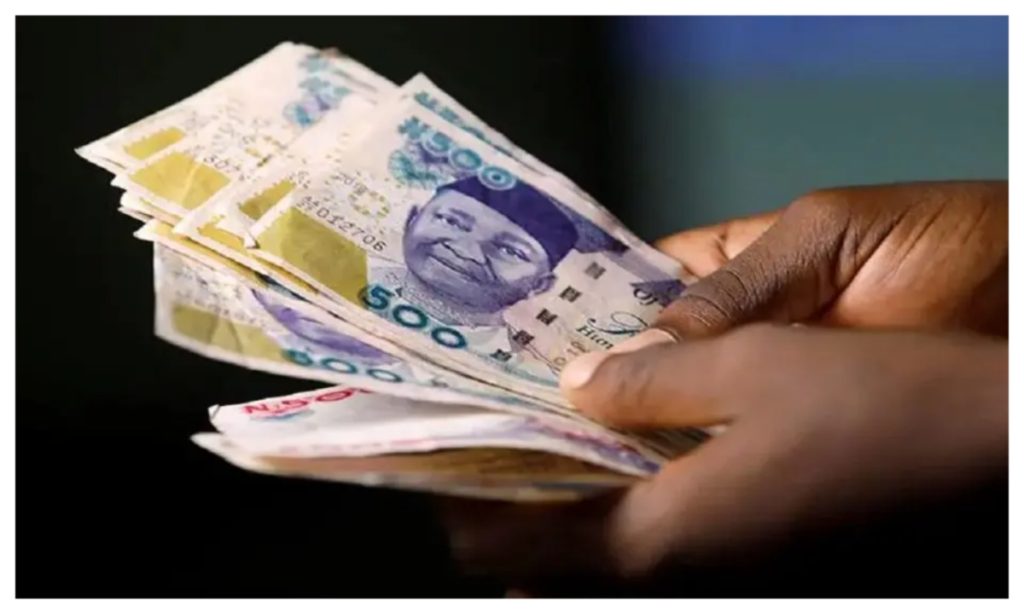
The naira slipped marginally against the U.S. dollar on Thursday in Nigeria’s official foreign‑exchange market. The Central Bank of Nigeria reported a closing rate of N1,370.89 per dollar, up from N1,370.56 the day before – a modest day‑to‑day depreciation of N0.33.
Across the parallel black‑market platform, the currency held steady at N1,395 per dollar, a level that has persisted since Monday.
The divergent movements come even as Nigeria’s foreign‑exchange reserves have risen, reaching $48.51 billion as of mid‑May. The increase in reserves suggests a healthier external position, yet it has not translated into a stronger official naira rate.
Earlier in the week the official rate had briefly appreciated, underscoring the volatility that continues to characterize Nigeria’s currency markets. Traders and businesses remain attentive to policy cues from the central bank, especially regarding its ongoing interventions to stabilise the naira and manage dollar scarcity.
Analysts note that the modest shift in the official rate reflects a balance between market pressures and the central bank’s reserve‑building strategy. While the black‑market price remains unchanged, the official market’s slight weakening may foreshadow future adjustments, depending on inflows, monetary policy decisions, and regional economic trends.
For now, the naira’s limited depreciation against the dollar signals a cautious market environment where both official and parallel rates are closely watched by investors, importers, and policymakers alike. Observers will monitor forthcoming central‑bank actions and external developments for signs of a more decisive direction in Nigeria’s currency trajectory.