Russia’s largest bank, Sberbank, says demand for Sharia‑compliant financial products is rising, prompting plans to expand the country’s pilot Islamic‑banking programme.
Islamic banking, also called partner financing, follows Sharia rules that forbid interest‑based loans and speculative trades. Instead, transactions are structured around leasing, profit‑sharing, installment sales and asset‑backed financing, while sectors such as gambling, alcohol, tobacco and weapons are excluded. The pilot, launched in 2023, currently operates in four Muslim‑majority regions, including the Republic of Tatarstan, and has been extended to 2028. Russia is home to roughly 20 million Muslims, with more than 2 million residing in Tatarstan.
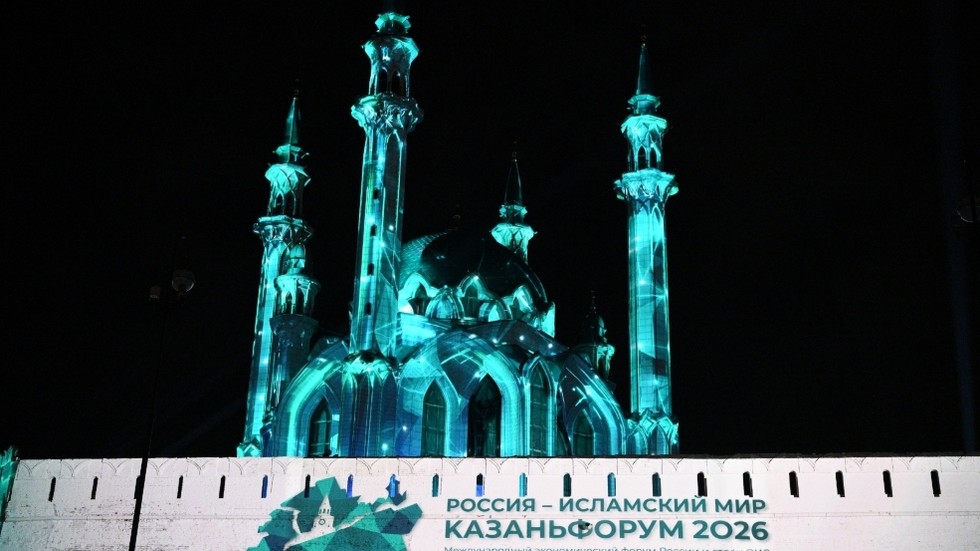
Speaking at KazanForum – an Islamic‑themed conference in the Tatar capital – Sberbank senior vice‑president Oleg Ganeev noted that the strongest demand comes from everyday banking services: current accounts, payment cards, deposits and other routine products. Sberbank has also introduced digital sukuk, Islamic bonds designed to meet Sharia requirements.
Officials acknowledge that Russia’s Islamic‑finance sector still lacks a unified regulatory framework. Anatoly Aksakov, chairman of the State Duma’s Financial Market Committee, said lawmakers aim to adopt the country’s first Islamic‑banking standard within weeks, drawing on the Bahrain‑based Accounting and Auditing Organization for Islamic Financial Institutions (AAOIFI) as a benchmark. He identified eight priority areas for development based on those standards.
Tatarstan’s economy minister, Midhat Shagiakhmetov, highlighted the republic’s 15‑year experience in Islamic finance, noting the availability of about 35 Sharia‑compliant products. More than half of the pilot’s transactions now occur in Tatarstan, reflecting the region’s leading role.
Russian authorities are considering expanding the pilot beyond the initial four regions and using Islamic‑finance instruments to attract foreign investment. If regulatory standards are swiftly formalised, the sector could provide a new avenue for both domestic customers and international capital seeking compliant financial services.
The move underscores Russia’s aim to diversify its banking landscape and tap into the growing global market for Islamic finance, a sector that has been expanding rapidly across Asia, the Middle East and Africa. Future developments will hinge on the adoption of clear standards and the ability of banks like Sberbank to scale Sharia‑compliant offerings nationwide.