Tensions are mounting inside the Taraba State chapter of the All Progressives Congress (APC) as the party struggles to reach a consensus on its gubernatorial candidate. The discord, which has already affected aspirations for both state and federal legislative tickets, now centres on the governorship race and threatens to split the party ahead of the next general elections.
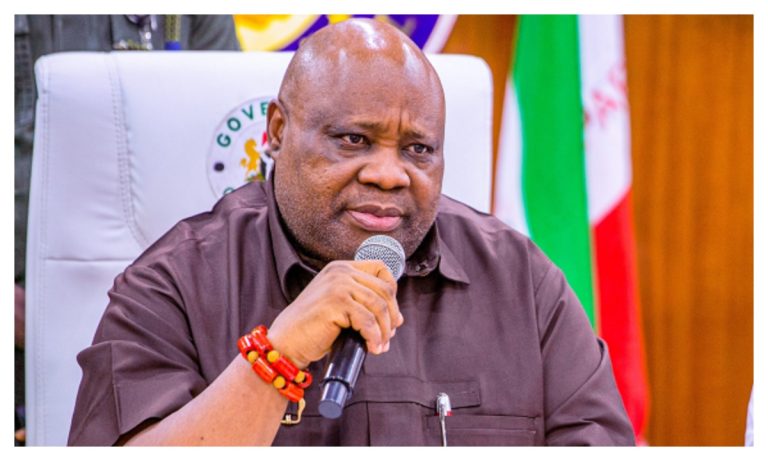
Incumbent Governor Dr Agbu Kefas is seeking a second term on the APC platform. His re‑election bid has been met with stiff resistance from two high‑profile aspirants: philanthropist Chief David Sabo Kente and former Minister of Transportation Mu’azu Jaji Sambo. Party insiders say senior officials are engaged in intensive behind‑the‑scenes negotiations in an effort to avoid a bruising primary that could weaken the party’s chances in the state.
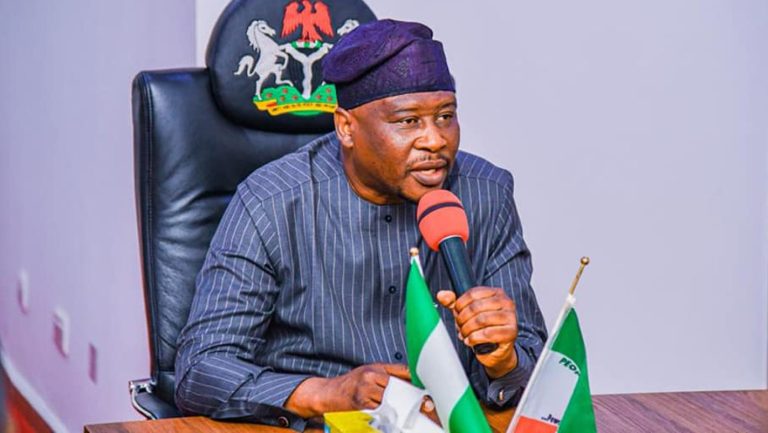
On Friday night Governor Kefas held a closed‑door meeting with Chief David Sabo Kente in an attempt to defuse the growing crisis. Sources close to the discussion said the governor tried to persuade Kente to drop his objections to a consensus arrangement that would see Kefas run unopposed in the party’s primary. Kente, who announced his candidacy in Wukari last week, rejected earlier overtures for a consensus and called for a transparent, open selection process.
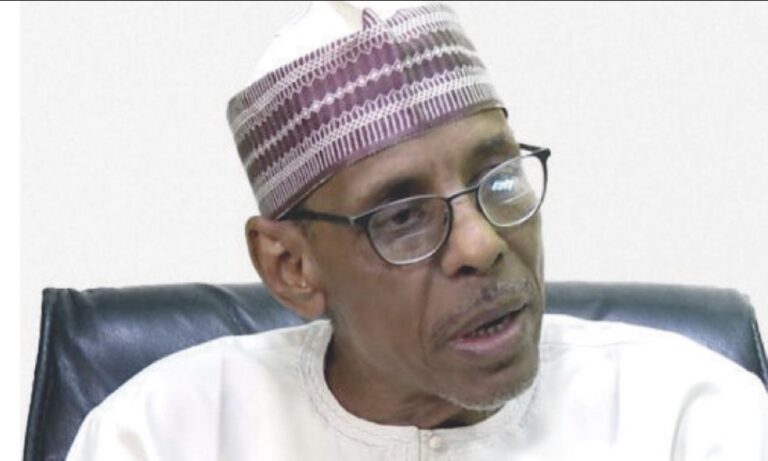
Former Transport Minister Mu’azu Jaji Sambo has also dismissed the idea of a consensus candidate, arguing that only a direct primary can guarantee fairness and legitimacy. Sambo is reportedly strengthening his grassroots network, urging party members across all 168 electoral wards to rally behind his campaign.
Political analysts note that the outcome of the Kefas‑Kente talks could prove decisive for the APC’s cohesion in Taraba. If the two sides reach an agreement, the party may present a united front in the upcoming elections. Failure to do so could lead to a fractious primary, with the risk of vote‑splitting and defections that would benefit rival parties.
The internal rift reflects a broader pattern within Nigerian parties, where power‑sharing arrangements often clash with demands for open competition. As the APC leadership continues to mediate, the coming weeks will determine whether Taraba’s ruling party can reconcile its factions or head into a contested primary that could reshape the state’s political landscape.
The next critical milestone will be the party’s scheduled primary election. Observers will be watching closely to see if a consensus candidate emerges or if the ballot will be filled by multiple aspirants, each backed by distinct regional and political blocs. The resolution of this dispute will have implications not only for the governorship race but also for the APC’s performance in legislative contests across the state.