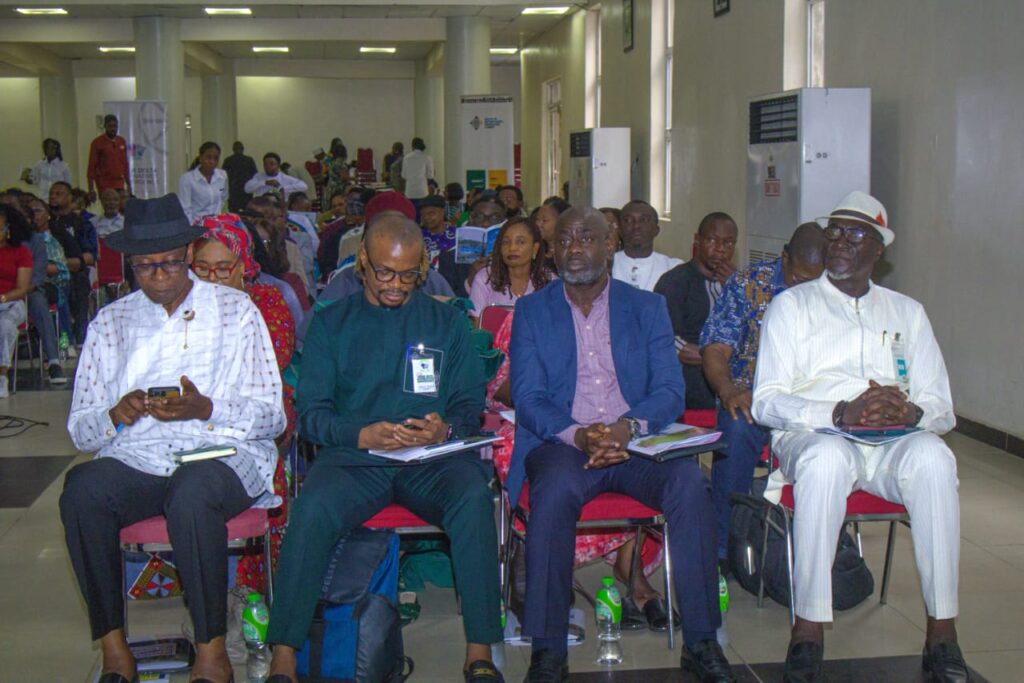
Stakeholders from the Niger Delta—environmental professionals, activists, academics, traditional rulers, women and youth groups—have urged oil companies and government authorities to prioritise the de‑commissioning of abandoned wells that litter the region. The group, convened at the fifth Niger Delta Alternatives Convergence (NDAC) on “Decommissioning and Accountability,” warned that the ageing infrastructure poses a growing threat to ecosystems, groundwater, biodiversity and community livelihoods.
Participants cited several high‑profile incidents to illustrate the urgency. In Bayelsa State, the long‑inactive Otuabagi well continues to leak hydrocarbons, while the 2007 eruption of the SPDC‑Ibibio‑1 well at Ikot Ada Udo in Akwa Ibom State left lasting contamination. More recent fire‑outs have been recorded at the Ororo‑1 well in Ondo State, burning since 2020, and the Alakiri wellhead in Rivers State, which ignited in 2024. Organisers said the persistence of these incidents reflects a “systemic failure” by operators and regulators to undertake timely remediation.
In a communique issued at the close of the meeting, the coalition called on the Federal and state governments to treat every abandoned, leaking or unde‑commissioned well as a crime scene. They demanded an immediate, transparent audit of all oil‑field assets in the Niger Delta, followed by swift de‑commissioning, environmental remediation and ecological restoration. State governments, they argued, should lead accountability efforts while the Federal Government enforces compliance with existing regulations.
The stakeholders referenced landmark assessments—including the Willink Commission, the Niger Delta Environmental Survey (NDES), UNEP and the Basel Sustainable Oil‑Extraction Committee (BSOEC) reports—to underscore that Nigeria’s own petroleum legislation already mandates safe de‑commissioning and post‑operational cleanup. Nevertheless, they contend that multinational oil firms continue to divest assets without proper remediation, shifting liability onto communities and the state. To curb this practice, the group urged an amendment to the Petroleum Industry Act (PIA) that would tighten de‑commissioning obligations, sharpen corporate accountability and establish a legally enforceable framework for divestment that prevents the transfer of environmental liabilities.
Transparency was a recurring theme. The coalition called for the inclusion of de‑commissioning and abandonment fund payments in the annual NEITI oil‑and‑gas reports, and for the public disclosure of all divestment deals, especially any liabilities assumed by domestic operators. They also appealed to civil‑society organisations and affected communities to pursue strategic litigation, warning against weak legal actions that could undermine long‑term advocacy.
The convergence’s demands arrive against a backdrop of increasing public frustration about the environmental legacy of oil extraction in the Niger Delta. By framing the neglect of abandoned wells as a breach of both national law and international best practice, the stakeholders seek to shift the narrative from one of exploitation to one of justice, restoration and sustainable development. The next steps, they say, will hinge on whether authorities move quickly to audit the region’s oil infrastructure and enforce the de‑commissioning mandates laid out in the PIA and related regulations.