
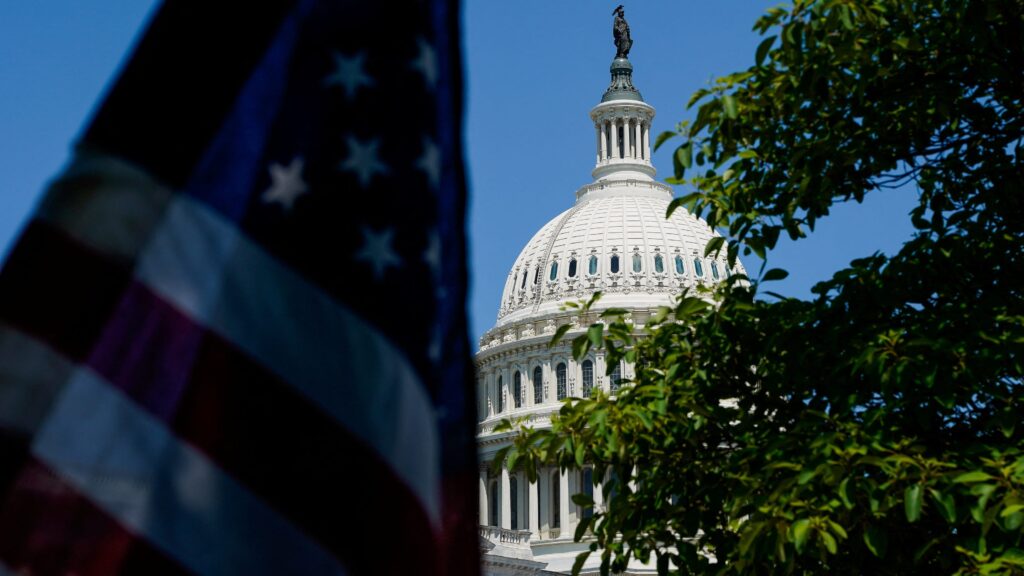
The House of Representatives dealt a major blow to a cornerstone of U.S. surveillance on June 11, failing to renew a law that has quietly shaped the president’s daily security briefing for nearly two decades. The vote, 218-198, fell short of the two-thirds majority needed to pass an extension of Section 702 of the Foreign Intelligence Surveillance Act, marking the first time since its enactment that the provision is set to expire.
The showdown was poisoned from the start by Democratic opposition to President Donald Trump’s new acting spy chief, Bill Pulte. A federal housing official with no background in national security, Pulte was installed as temporary director of national intelligence after Tulsi Gabbard’s ouster. Democrats argue his lack of experience makes him a liability at the helm of 18 intelligence agencies.
Section 702 authorizes U.S. spy agencies to sweep up communications of foreigners abroad, though privacy advocates warn it can also ensnare Americans. Lawmakers say intelligence gathered under this statute forms the backbone of the president’s daily briefing. But despite the House’s failure, the law won’t vanish overnight. The Brennan Center for Justice notes that existing surveillance certifications from a special court can keep operations running through March 2027.
Still, top senators are sounding alarms. Republican Sens. Tom Cotton and Chuck Grassley warned Secretary of State Marco Rubio in a June 5 letter to brace for a “potential significant gap in foreign-intelligence collection.” In recent days, Democrats have made clear they’ll only back a renewal if Trump fully removes Pulte. Sen. Mark Warner, the top Democrat on the Senate Intelligence Committee, told reporters June 10: “To arbitrarily throw somebody into this position without any experience, it’s a national security threat. You’re going to give him the keys to 18 intelligence agencies? What could go wrong?”




Comments are closed for this story.