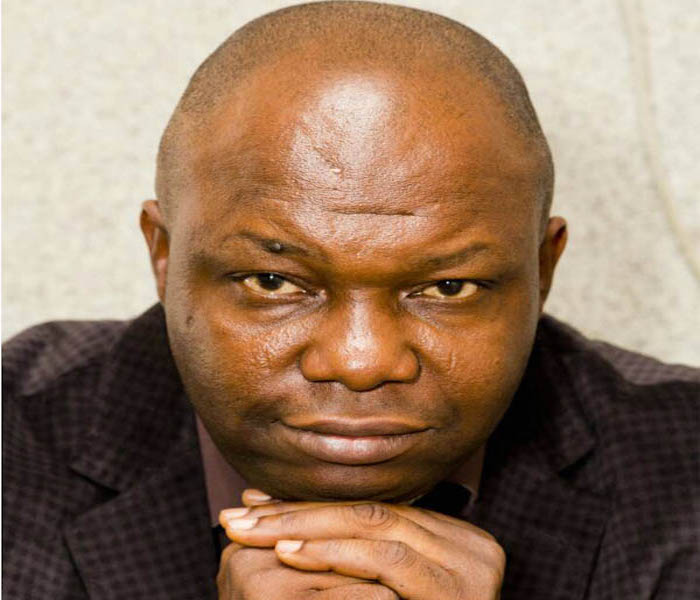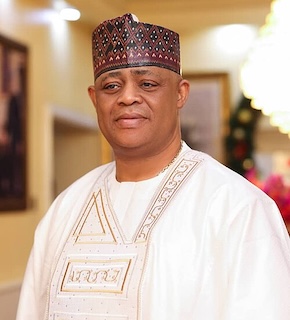
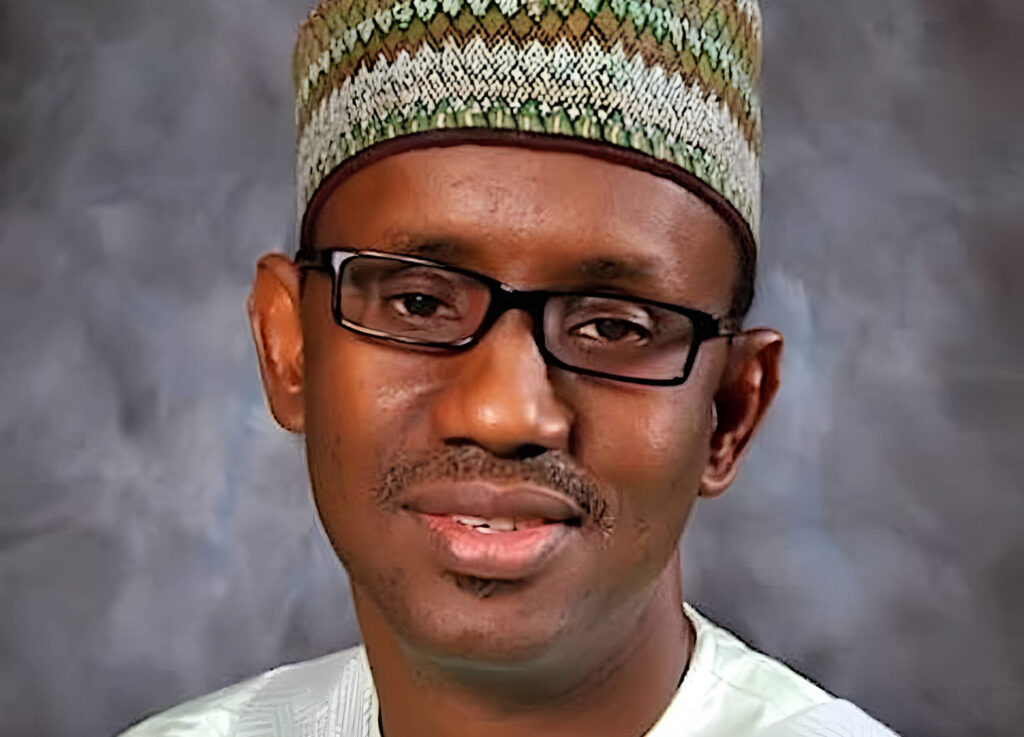
On a sweltering July morning, Nigeria’s most powerful security and anti-corruption agencies did something unprecedented. They stood together before the nation, not to announce a crisis, but to present a detailed account of their work. For the first time, the military, police, intelligence services, and financial crime fighters coordinated a joint briefing, signaling a shift in how the country tackles its deep-rooted security challenges.
This wasn’t just a parade of statistics. It was a deliberate attempt to prove that behind the daily headlines of kidnappings and terror attacks, a quieter, more strategic battle is being waged. The message was clear: national security cannot be judged by isolated incidents alone.
The briefing revealed that the Armed Forces conducted over 14,000 operations, rescuing more than 1,500 hostages and neutralizing nearly 1,600 terrorists. The police force dismantled criminal syndicates, while the Department of State Services disrupted arms networks and foiled plots before they could make news.
But the most striking part of the presentation was the emphasis on corruption. The Economic and Financial Crimes Commission secured 915 convictions in just four months, including a former minister, a senator, and the acting Accountant-General of the Federation. The Independent Corrupt Practices Commission recovered nearly 5.8 billion naira in stolen assets.
This is not just about law and order. It is about recognizing that corruption funds terrorism, that weak institutions invite chaos, and that financial intelligence is as critical as military firepower.
The briefing also highlighted a crucial, often overlooked element: communication. Security agencies admitted that misinformation and propaganda have become weapons of war. By speaking directly to citizens, they aim to reclaim the narrative from those who profit from fear.
Yet the real test remains. Can these institutions sustain this transparency? Will the public trust them enough to cooperate? And can the quiet work of conviction, recovery, and reform outshine the next explosive headline?
For now, the message from Nigeria’s security chiefs is that the battle is not just being fought in the forests and cities, but in the minds of the people. And that story, they insist, is just beginning.