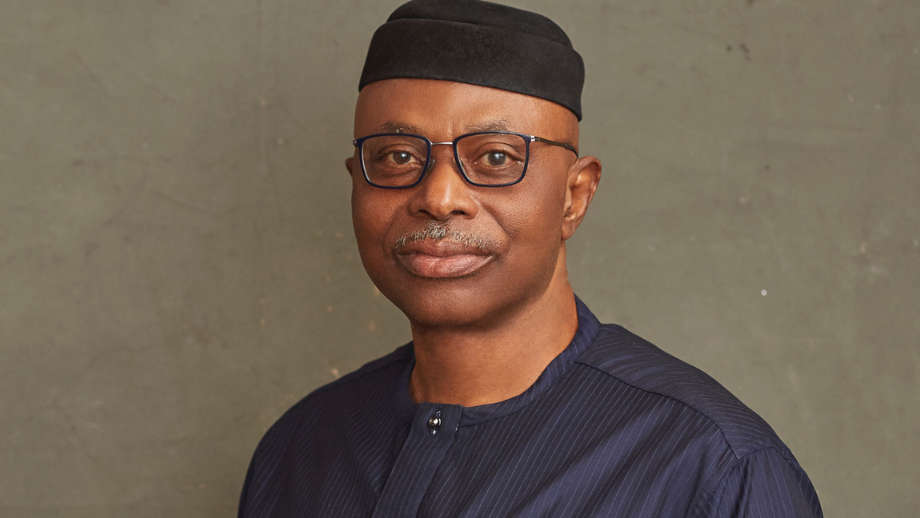
Former Ondo State Governor Olusegun Mimiko has advocated for the devolution of power as a lasting solution to Nigeria’s governance challenges, arguing that excessive centralisation has fueled persistent problems including insecurity, corruption, and ethnic tensions.
Mimiko made the call while delivering a lecture titled “The Government and Politics Mountain” during the Pastors’ Seed Event at the 74th Annual Convention of the Redeemed Christian Church of God (RCCG), themed “Mountain Movers.” Drawing from the biblical account of Moses and his father-in-law Jethro, he outlined what he termed the “Jethro Principle” – the delegation of authority to capable leaders to ensure effective administration. According to Mimiko, governance works best when power and resources are devolved to lower tiers, allowing local leaders to address local challenges while the federal government focuses on national issues. “The Jethro Principle teaches that effective governance must be based on merit, competence and capacity. Power and responsibility should be moved closer to the people so that local problems can be solved locally,” he said.
He stressed that a highly centralised system is ill-suited for a diverse country like Nigeria, insisting that true federalism requires empowering sub-national governments to make decisions directly affecting their communities. While acknowledging ongoing efforts by President Bola Tinubu’s administration to decentralise areas such as policing, resource management, and decision-making, Mimiko maintained that broader structural reforms are necessary to address systemic governance failures. He listed insecurity, corruption, poverty, poor leadership, and ethnic tensions as consequences of centralisation. “Centralised government cannot effectively manage a multi-ethnic, multi-cultural and multi-religious nation like Nigeria. Leaders closest to the people should be empowered to solve the problems closest to the people,” he stated.
Beyond structural reform, Mimiko urged Christians and Nigerians of all faiths to actively participate in politics and governance, describing government as a critical sphere of influence shaping national development. He emphasised that politics should not be viewed merely as a struggle for power but as a platform for promoting the common good, adding that citizens must combine prayer with active civic engagement to achieve national renewal.
Mimiko’s remarks come amid renewed debate over constitutional restructuring and the distribution of powers between federal and state authorities. As the Tinubu administration pursues incremental decentralisation, advocates argue that only comprehensive devolution can resolve the governance deficits undermining Nigeria’s stability and development.