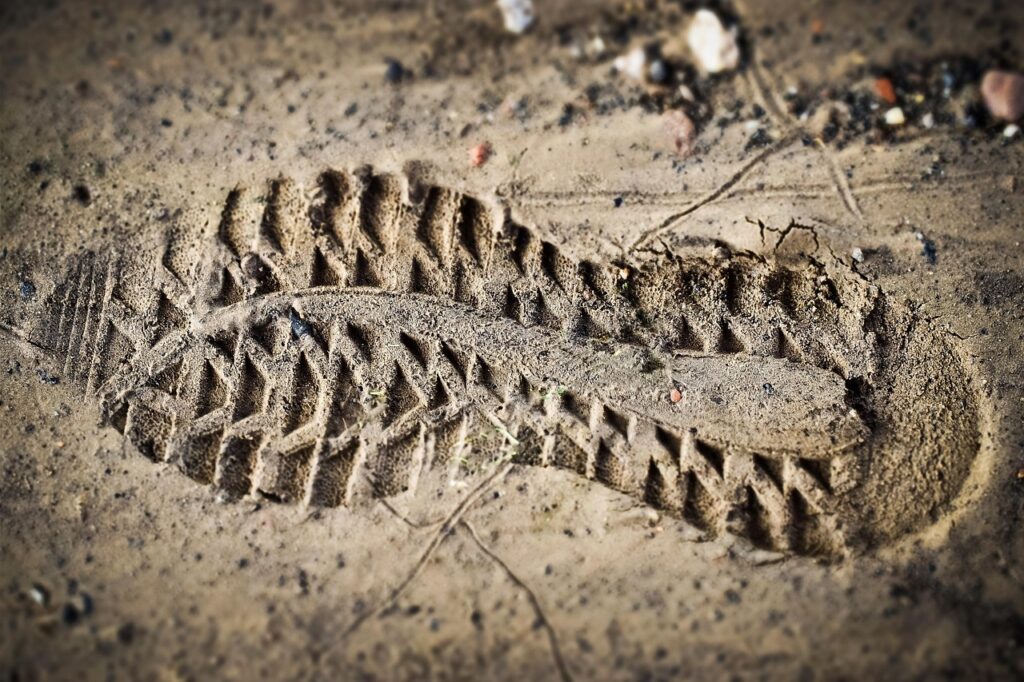
Every crime scene tells a story, but it doesn’t speak—it whispers. And it takes a special kind of expert to listen. Forensic science is that listener, a discipline that blends biology, chemistry, physics, and pure logic to piece together what happened when no one else was watching. It’s not just about catching criminals; it’s about reconstructing the past with the precision of a surgeon and the patience of a historian.
At its core, forensic work is the art of evidence. A strand of hair, a smudge of dirt, a half-burnt receipt—anything can become the thread that unravels a mystery. Trace evidence, in particular, is the quiet workhorse of the field. A speck of pollen on a jacket or a fleck of paint on a car bumper can place a suspect at a scene they swore they never visited. These microscopic breadcrumbs are the unsung heroes of countless convictions.
Then there’s DNA, the modern marvel that has rewritten the rulebook. What once took weeks can now be done in hours, thanks to techniques like PCR that amplify the tiniest biological traces into unmistakable genetic blueprints. Cold cases that gathered dust for decades have been cracked open by a single drop of blood or a discarded coffee cup. It’s not magic, but it can feel that way.
But forensics isn’t just about high-tech wizardry. Old-school methods like fingerprint matching and ballistics analysis remain indispensable. The ridges on a fingertip and the striations on a bullet are as unique as a signature, and they don’t lie. Meanwhile, the digital age has brought new tools to the table. Investigators now use 3D-printed replicas of crime scenes to walk through events from every angle, and machine learning algorithms sift through mountains of data to spot connections a human eye would miss.
Still, this science has its limits. A contaminated sample or a poorly handled piece of evidence can derail an entire case. Interpretation requires expertise, and even the best experts can make mistakes. The stakes are enormous—a single error can set a guilty person free or put an innocent one behind bars. That’s why rigorous testing and relentless training are non-negotiable.
Yet when done right, forensic science is nothing short of extraordinary. It gives a voice to victims who can no longer speak and a second chance to cases that seemed hopeless. It’s a field that never stops evolving, with researchers pushing into new territory every year. The future promises even sharper tools, but the core mission remains unchanged: to find the truth, no matter how deeply it’s buried.
In the end, forensics is more than a career or a collection of techniques. It’s a mirror held up to human nature, reflecting both our darkest deeds and our relentless pursuit of justice. Every clue analyzed, every match confirmed, is a small victory in the ongoing fight for a safer, more honest world. And as long as there are questions to answer, there will be scientists ready to answer them.